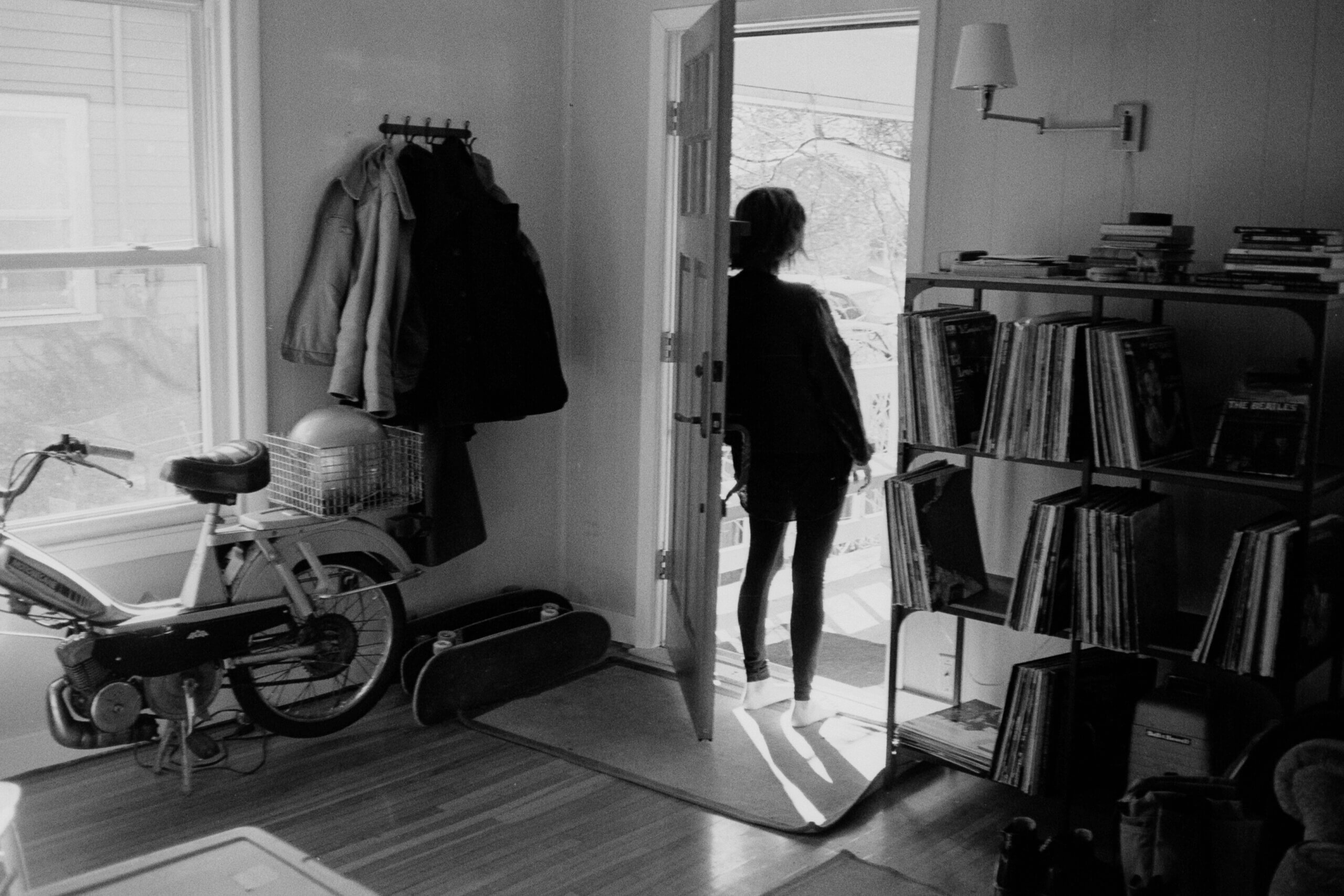
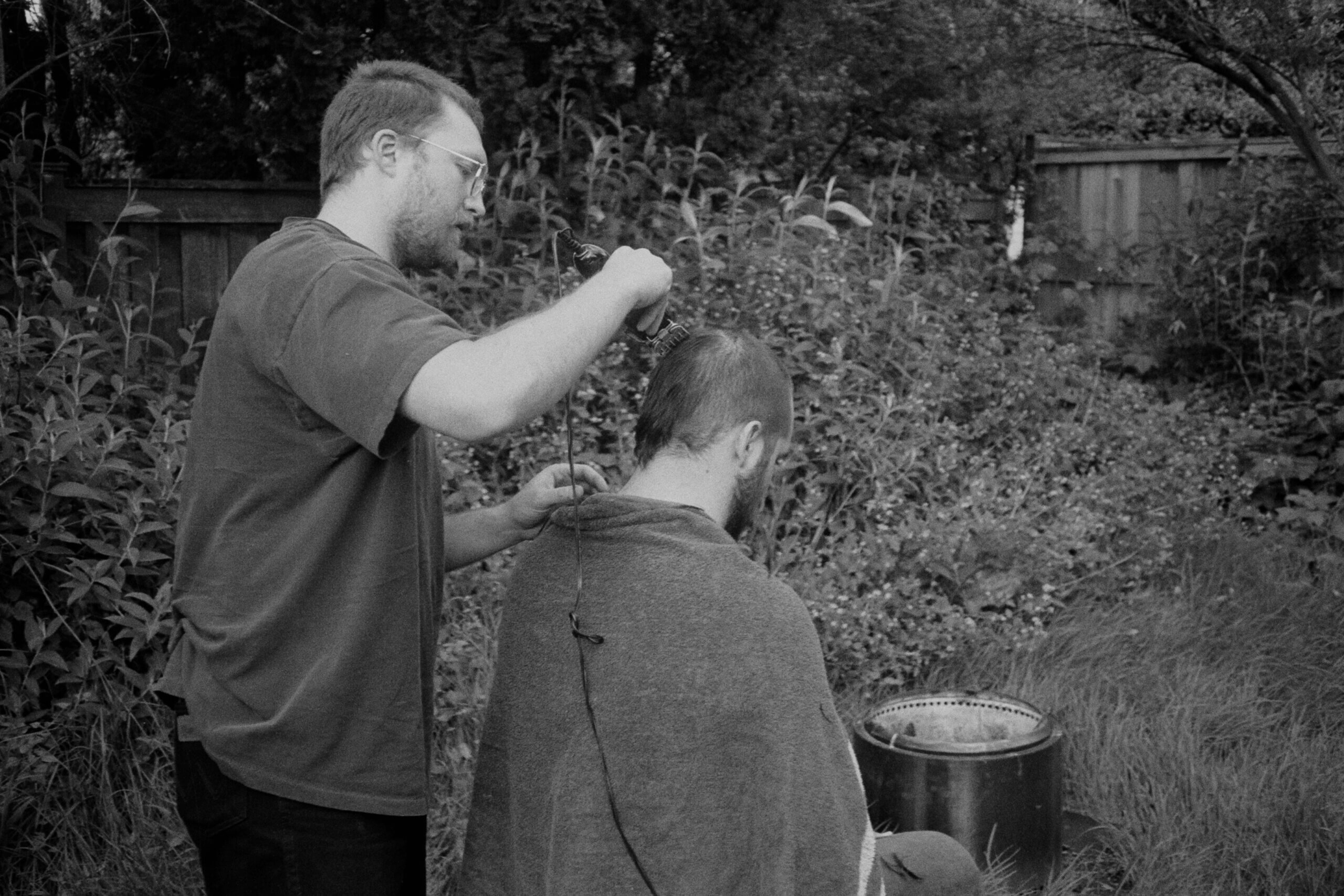
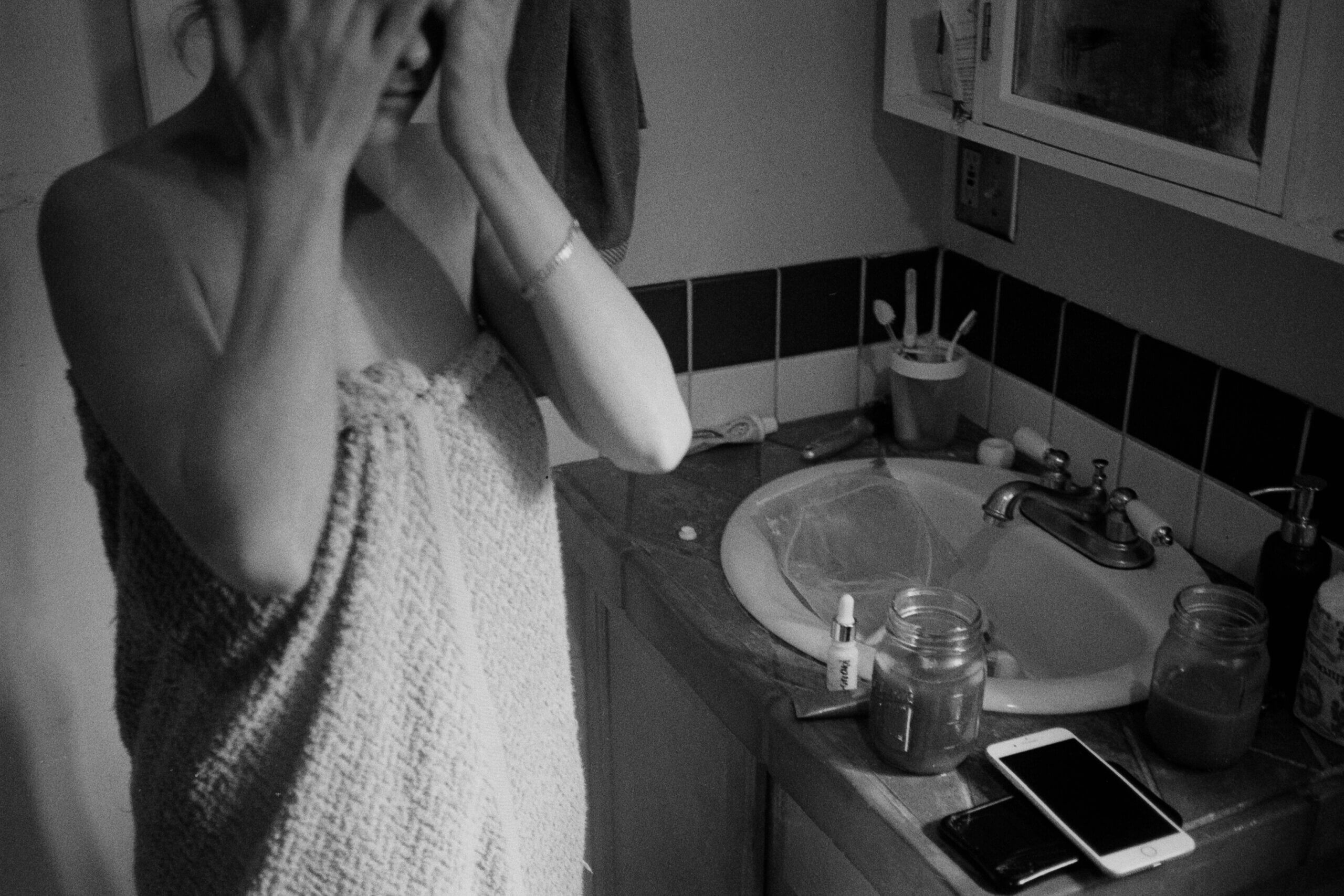
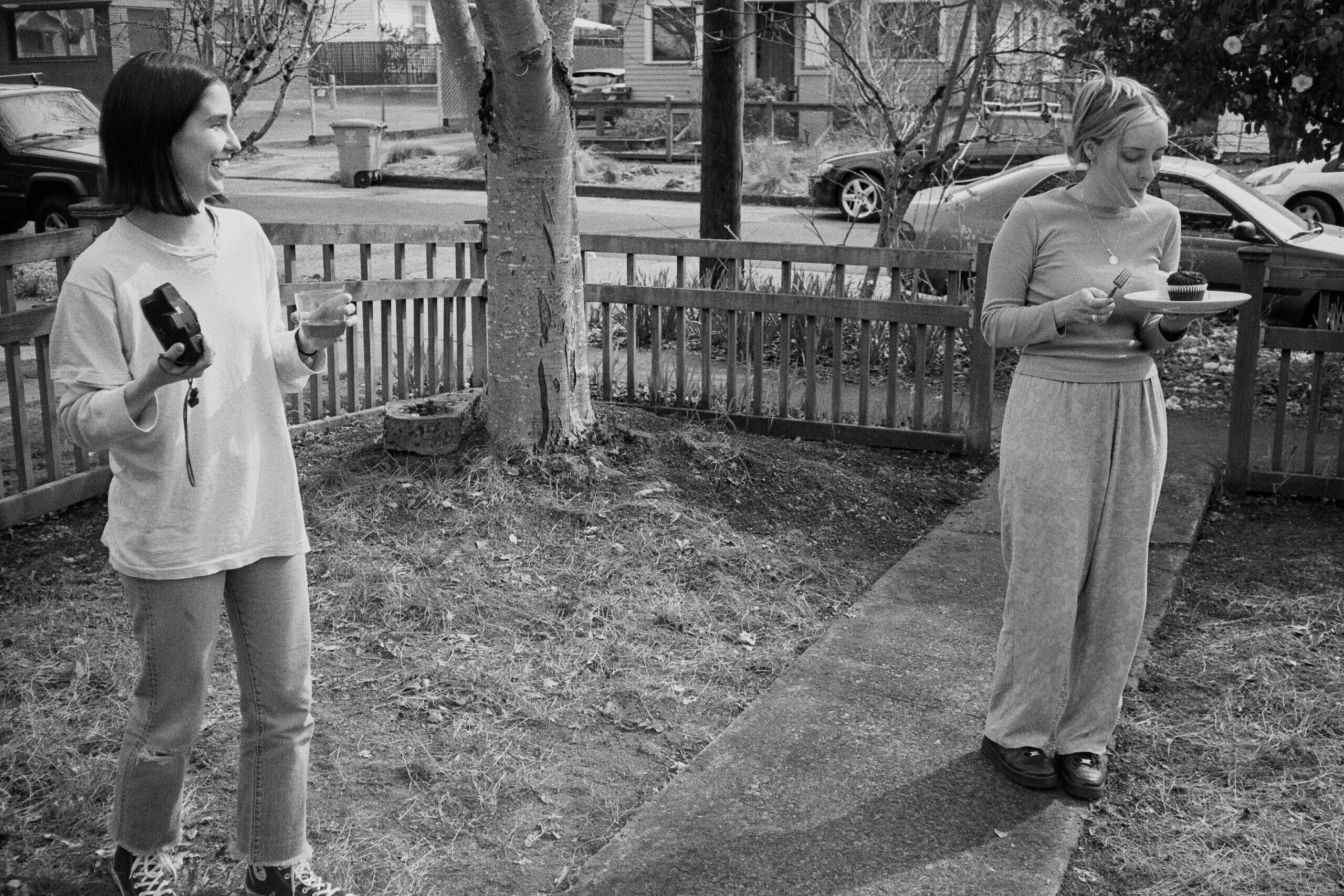
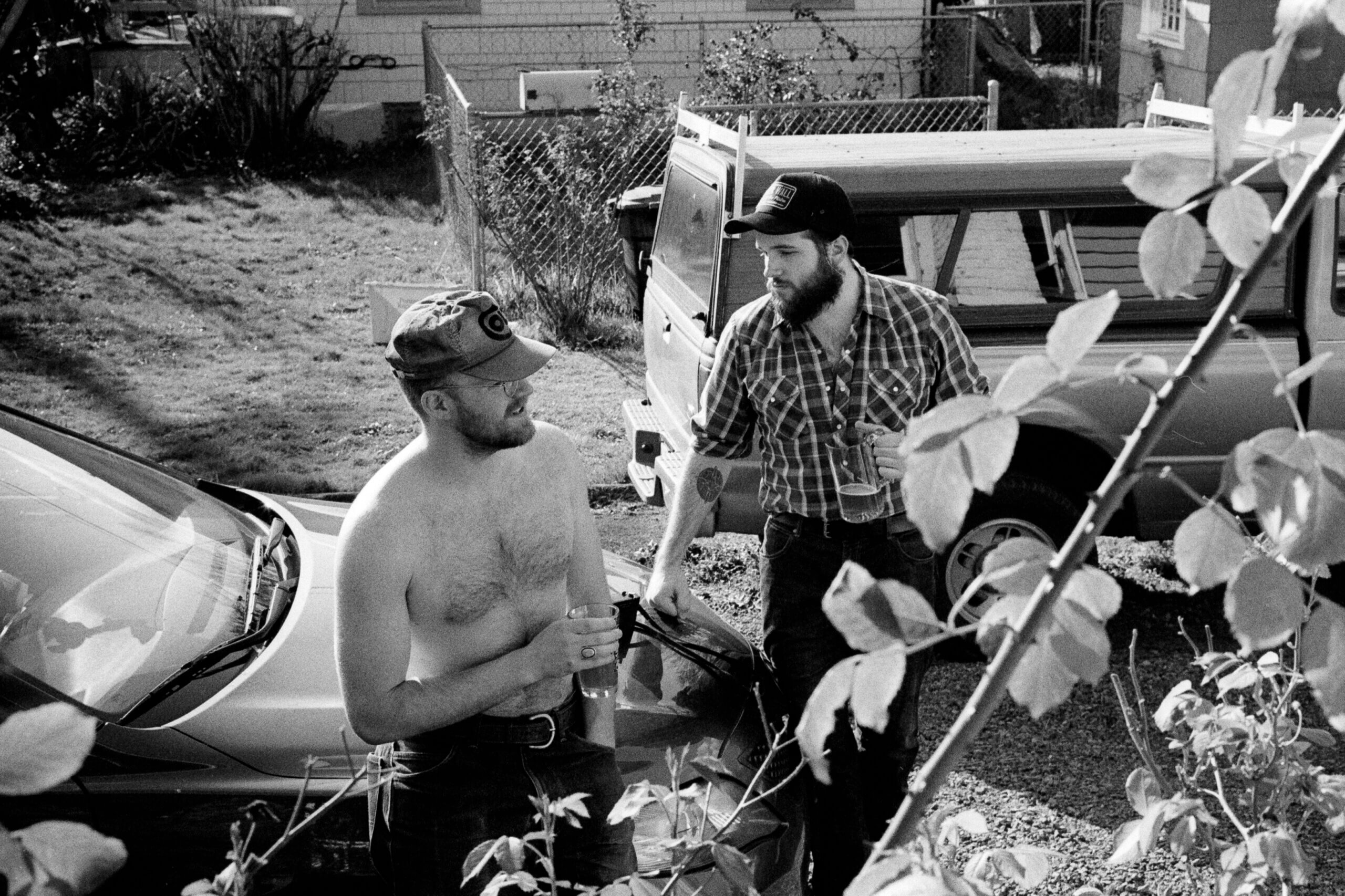
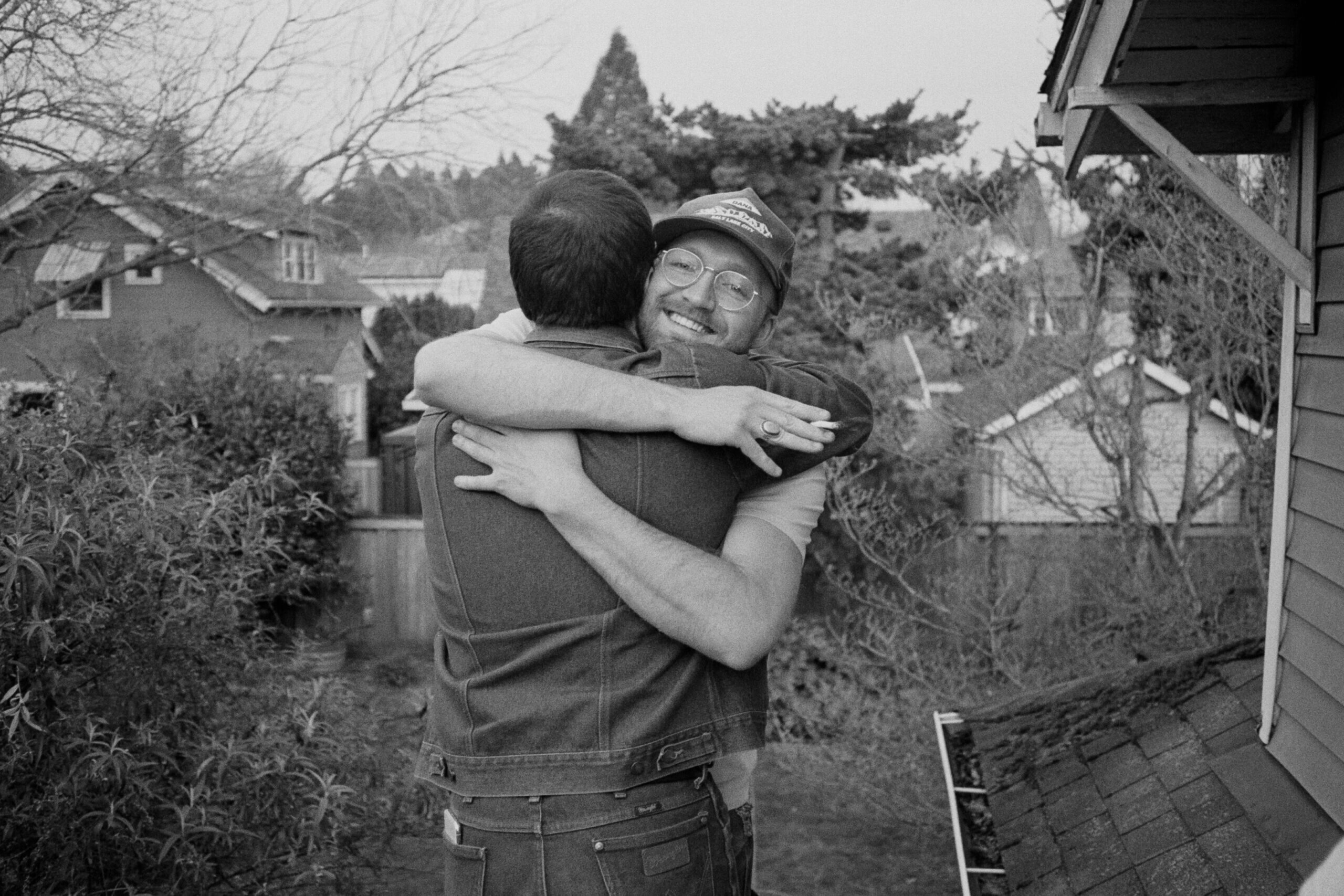
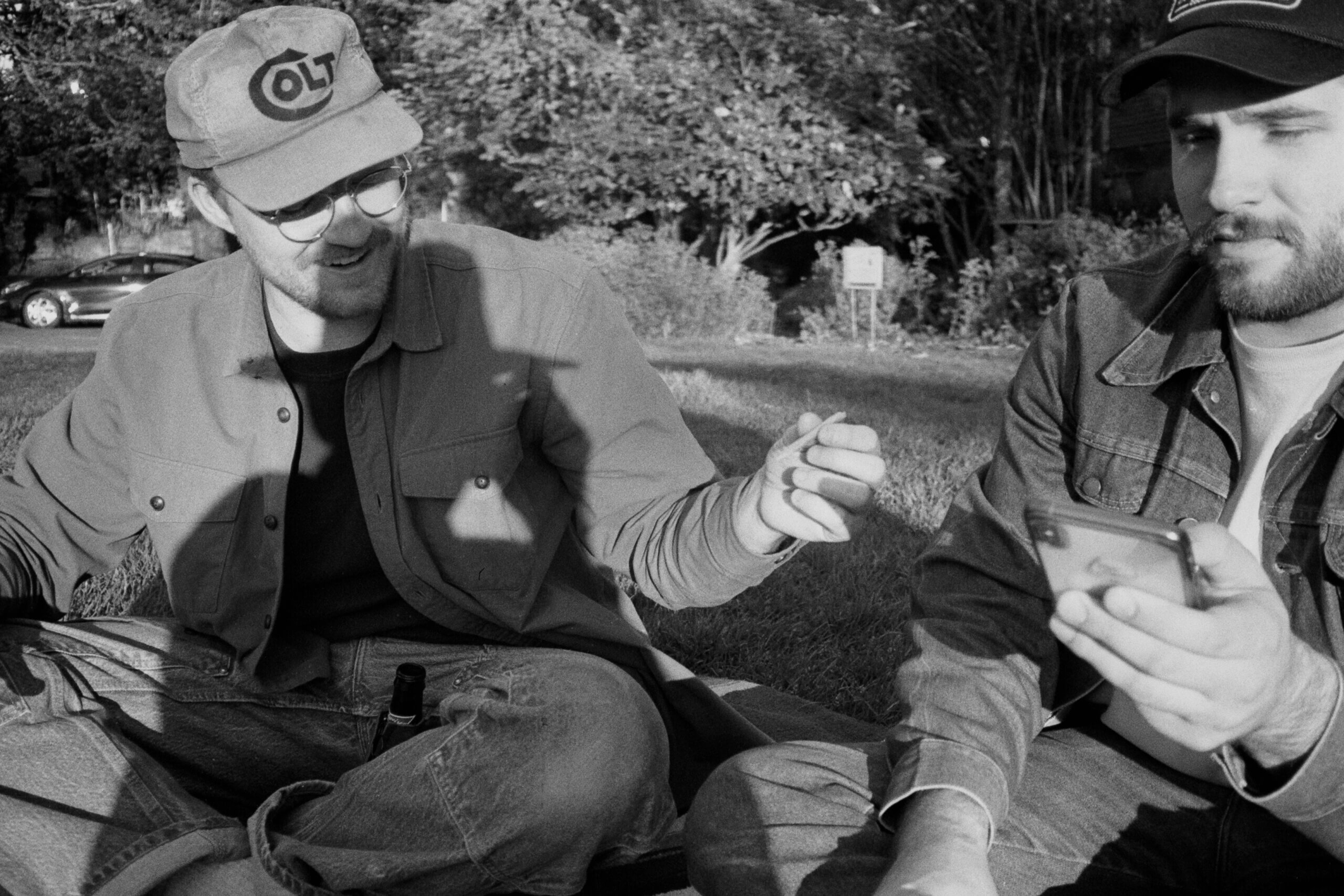
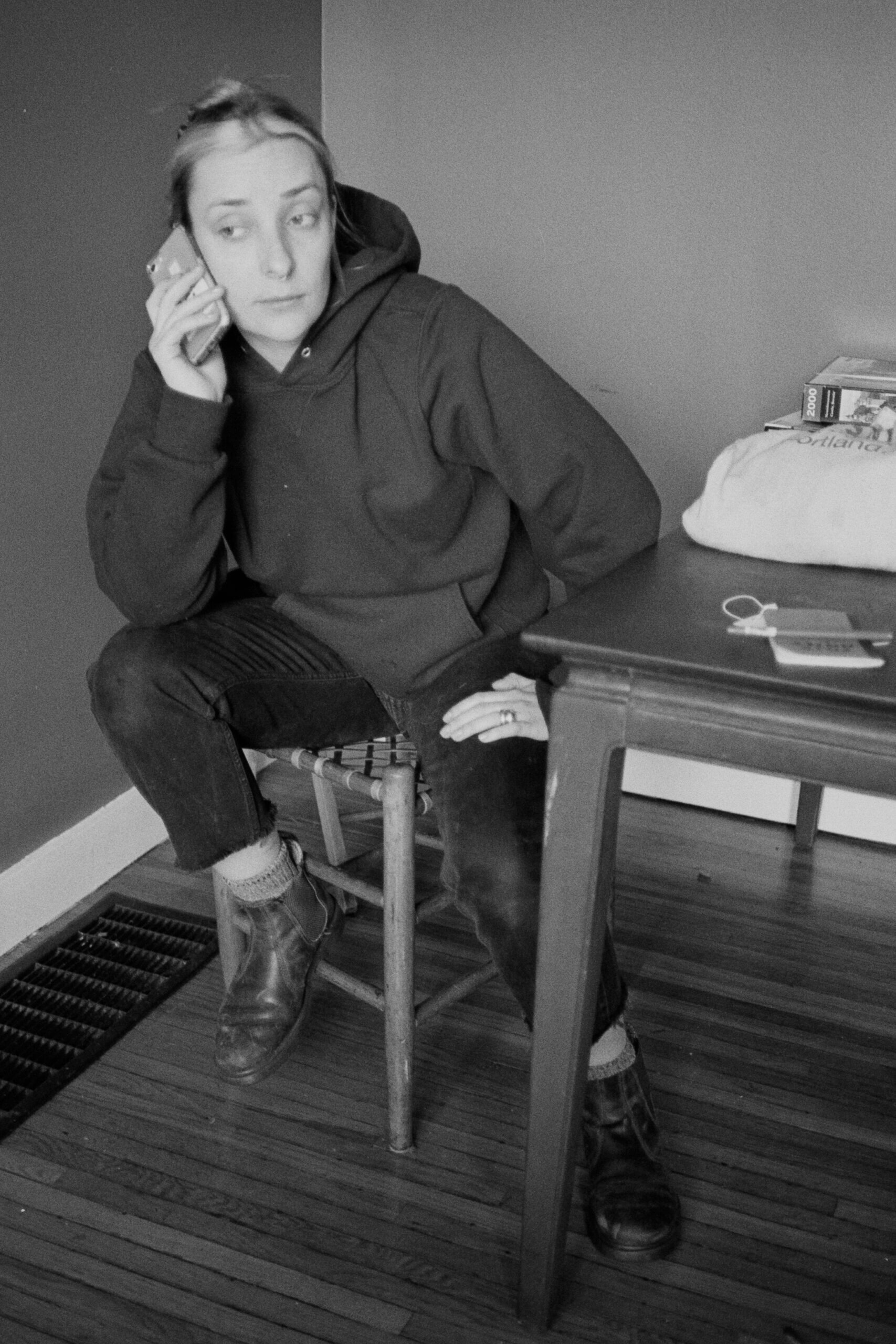
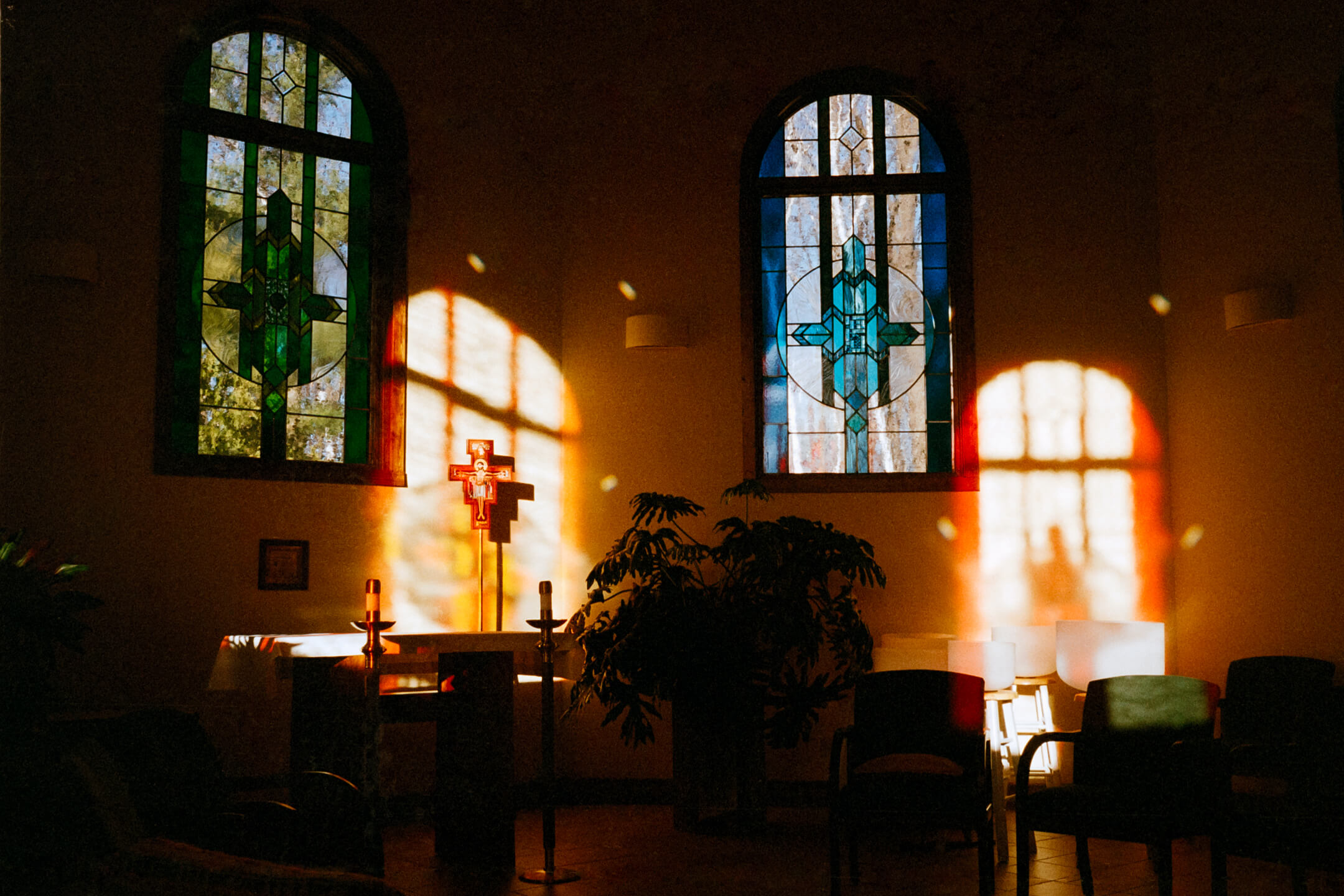
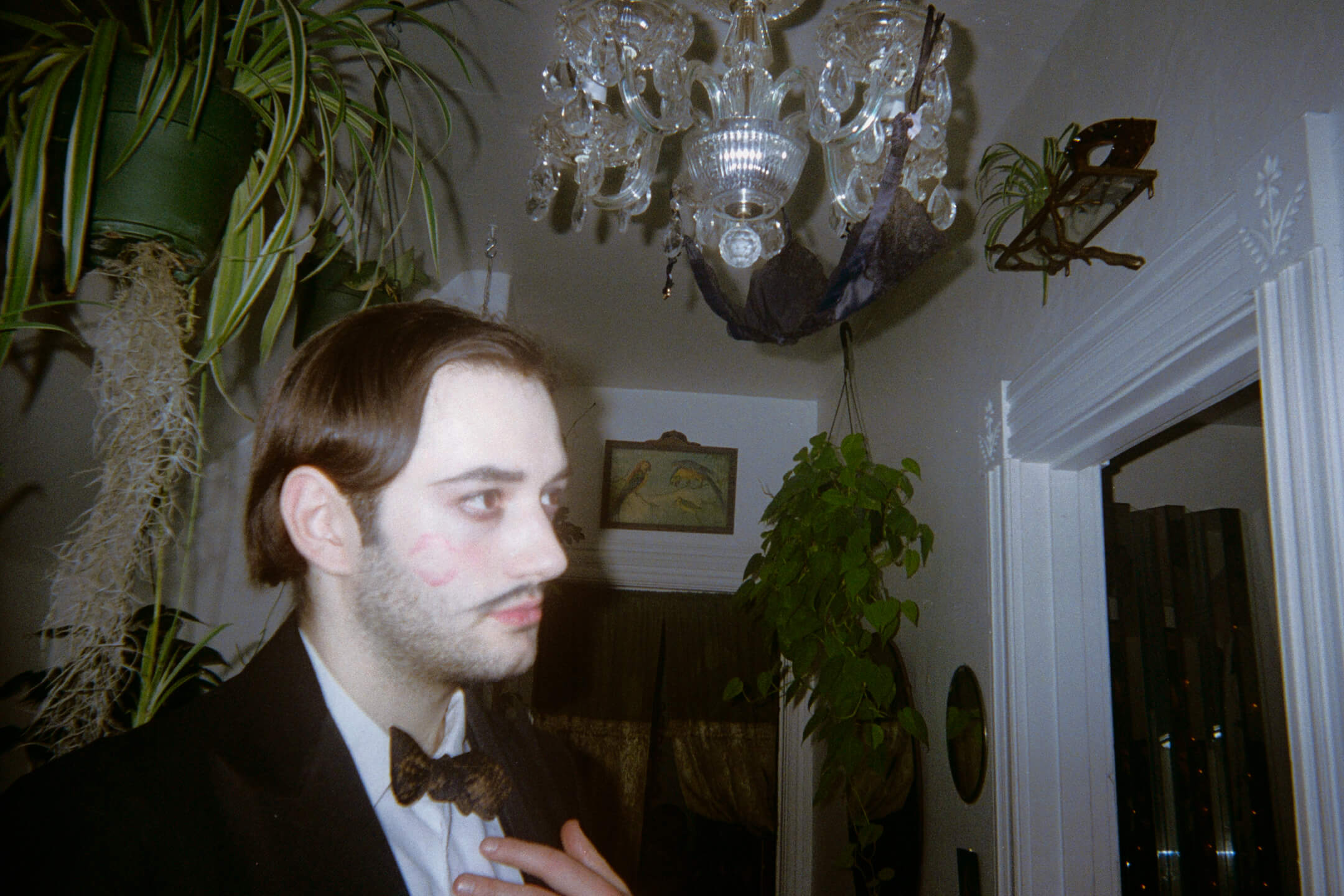
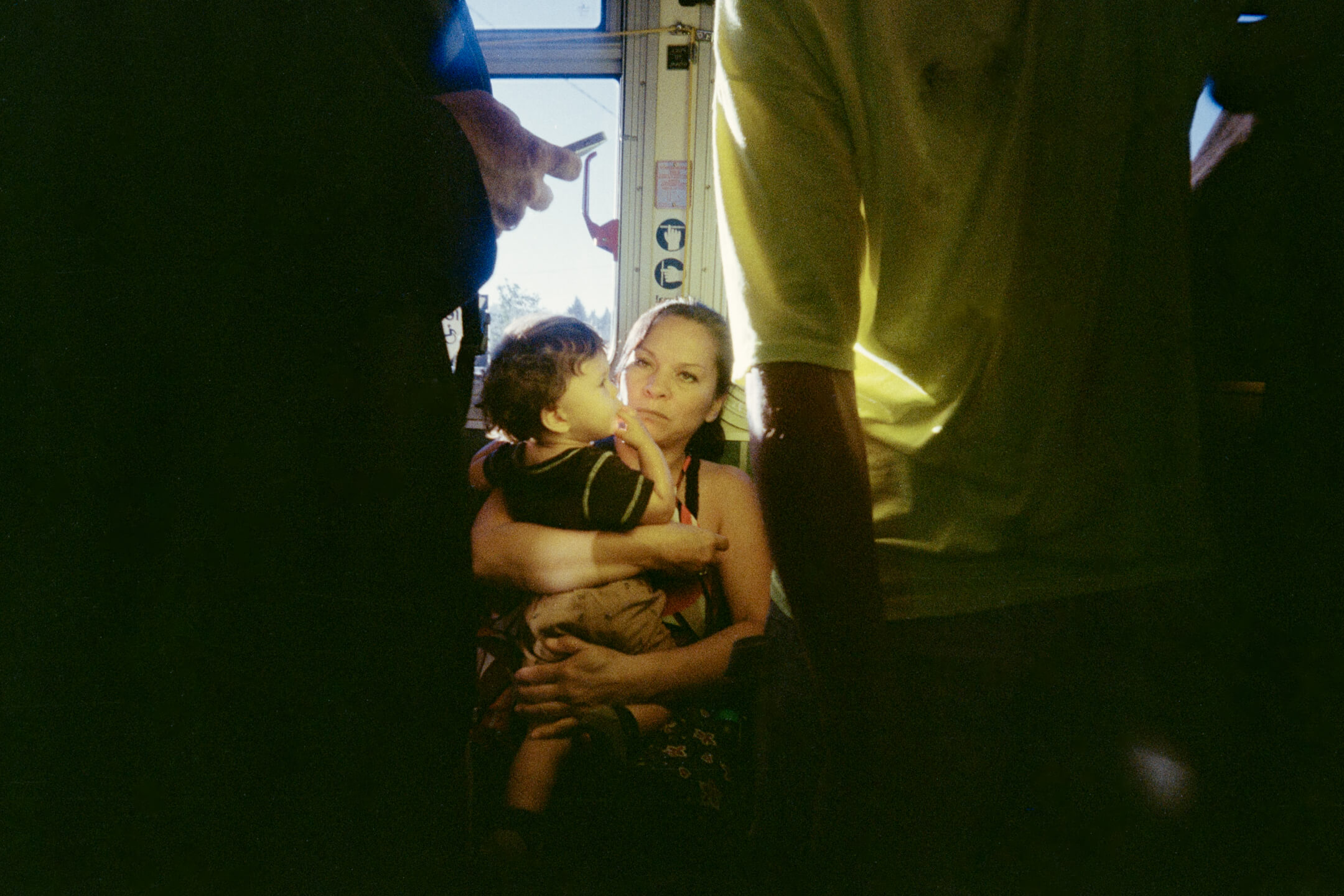
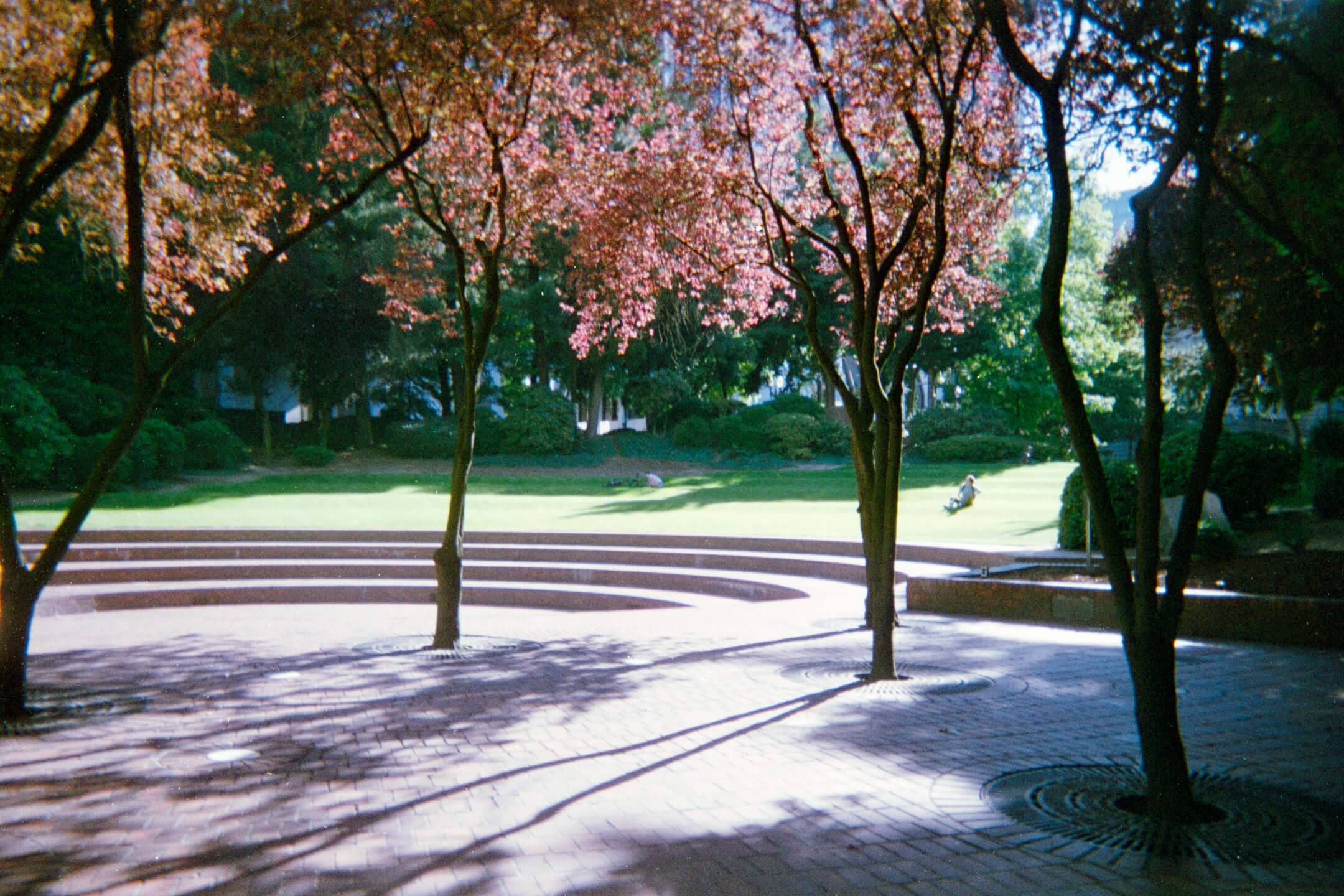
Franklin Street Limbo documents the suspension of normality during the early months of the Covid pandemic. As stay-at-home orders took effect in March 2020, my housemates and I were suddenly afloat. Routines changed, privacy became rare, and birthday celebrations moved onto the front lawn. I found both witness and refuge making these photographs as a way to process the anxieties we were living through.
When I go out to shoot street photography, I’m nearly always loaded up with black-and-white film. Lately, I’ve been thinking a lot about why that is. When I was a beginner on the streets, I quickly realized how many frames I needed to burn through to find one worthy shot. Making a great candid photograph is like battling a rigged claw machine: feeding it endless patience, nerve, and dumb luck, knowing most attempts will whiff. But when a scene reveals itself to the open-minded photographer, time bends as if it’s begging to be fossilized into existence—an exhilarating heist.
I wish I had some lyrical prose about why I chose this medium over color, like Ted Grant’s take on black-and-white photography: “When you photograph people in color, you photograph their clothes. But when you photograph people in black and white, you photograph their souls!”
But for me, black-and-white wasn’t a romantic choice. It was my only option if I wanted to improve. It’s more forgiving of exposure mistakes, and I could push the film speed to suit my needs. Just as importantly, it was cheaper to learn how to develop and digitize the negatives myself. I couldn’t afford to process all that film at a lab.
These days, though, my reasoning is different. I have a stronger relationship with my black-and-white photos because I spend more time and care on them. Once I load the film, it never leaves my hands. The ritual of developing, drying, scanning, curating, editing, and archiving is entirely my own, and it’s how I learn to improve. That’s the second part of photography, often seen as the chore of shooting film. But for me, it’s the beauty of it: spending extended time with binders full of my little chemical miracles.
Black-and-white will always feel like home. I shoot faster, shoot more, and think less.
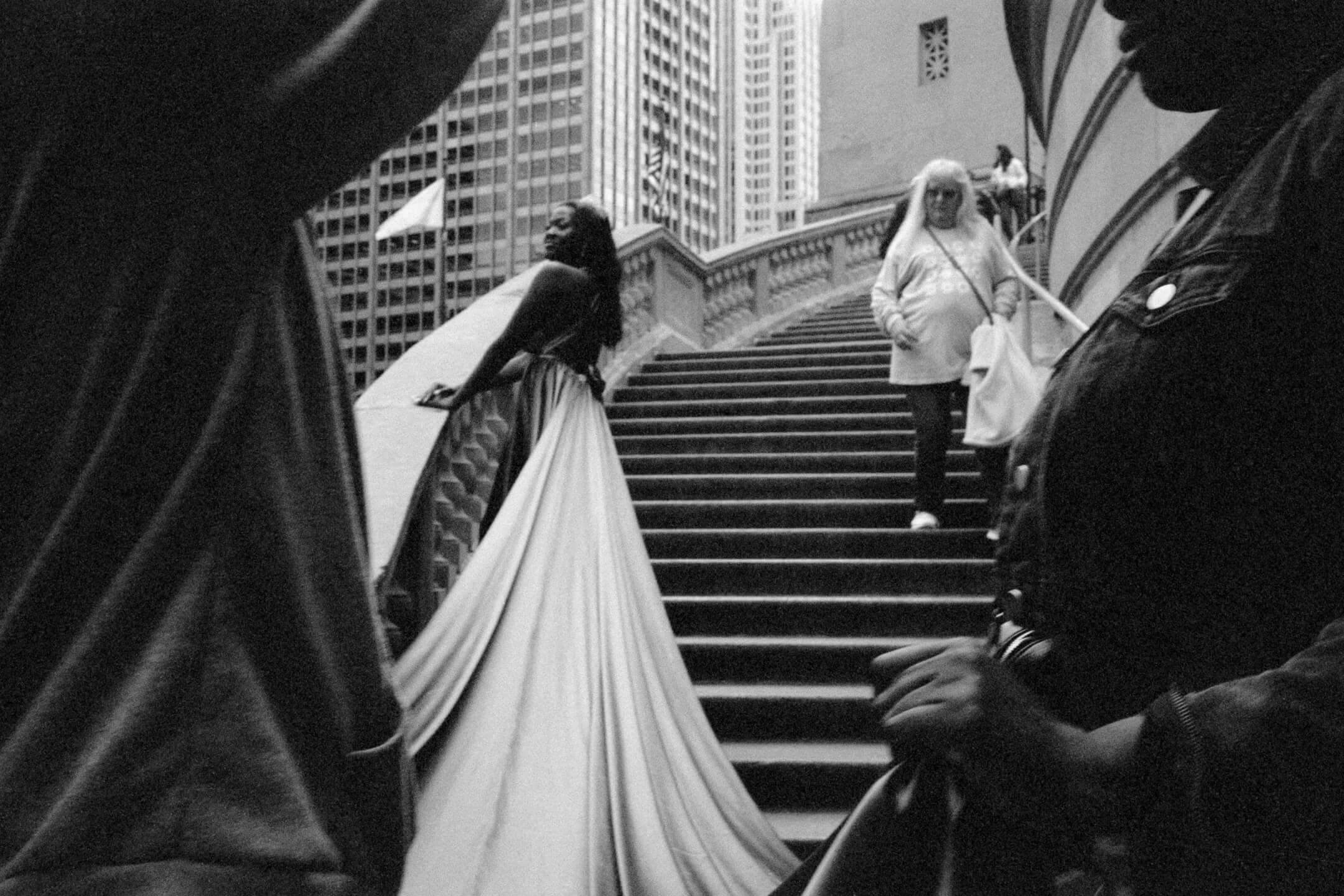
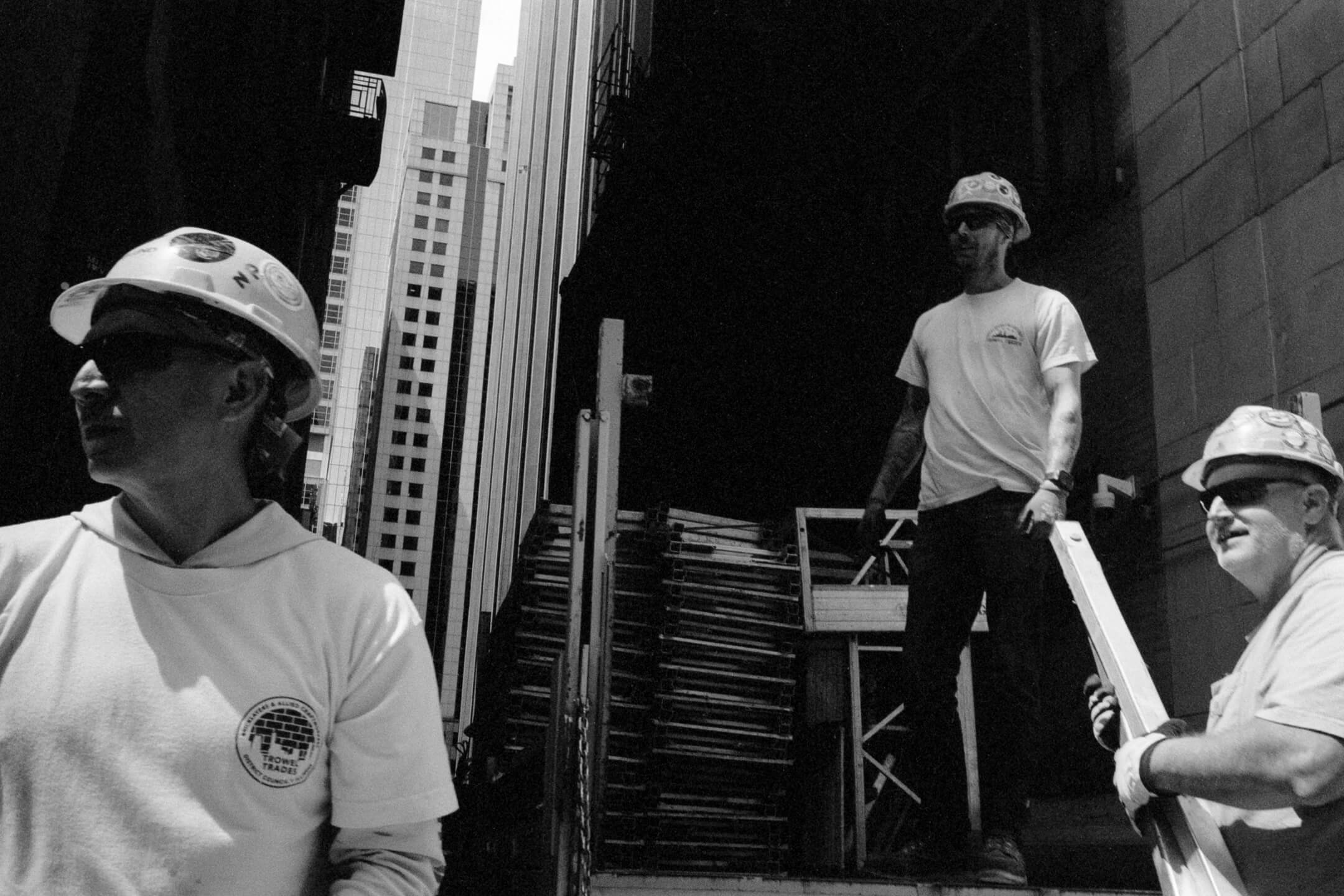
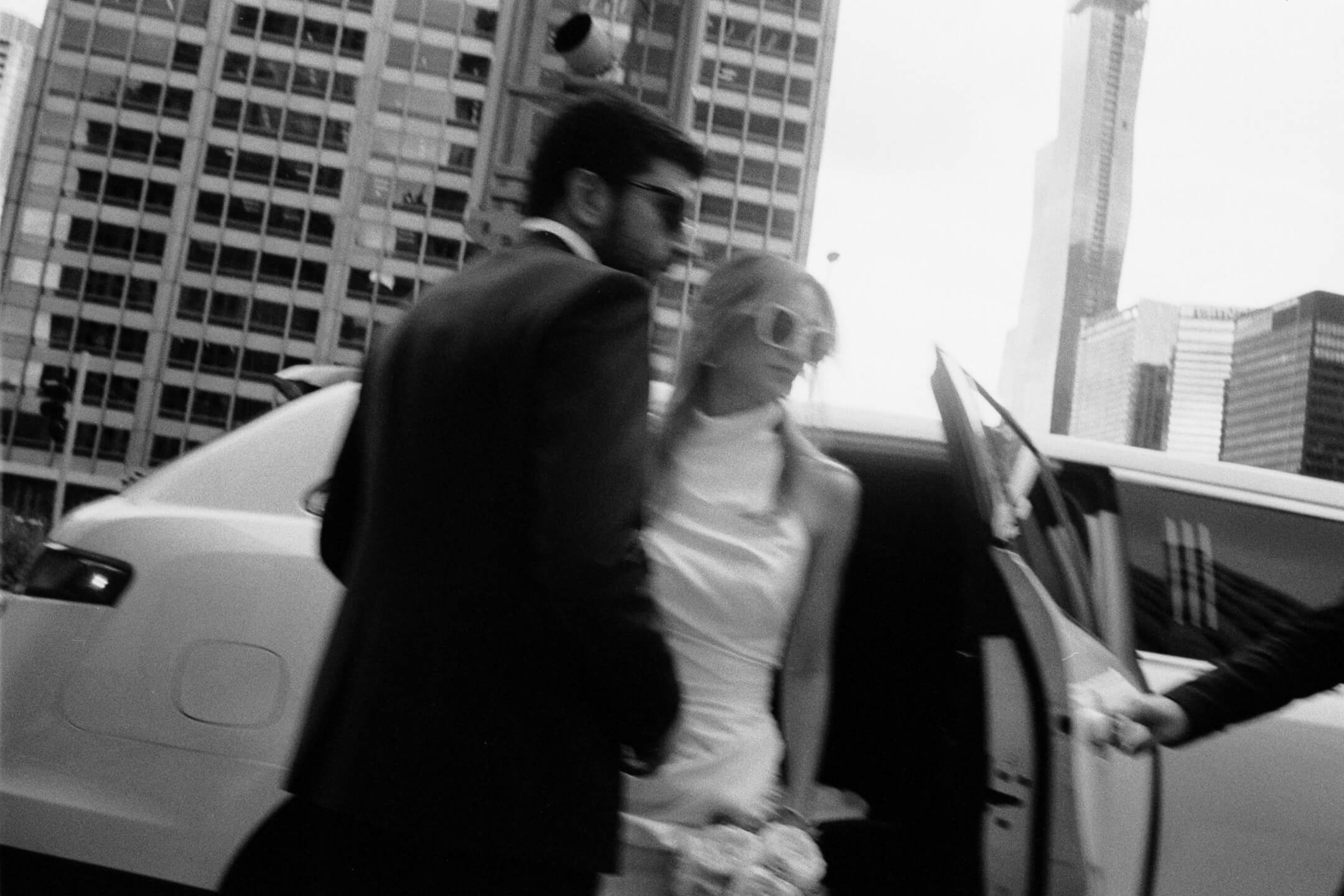
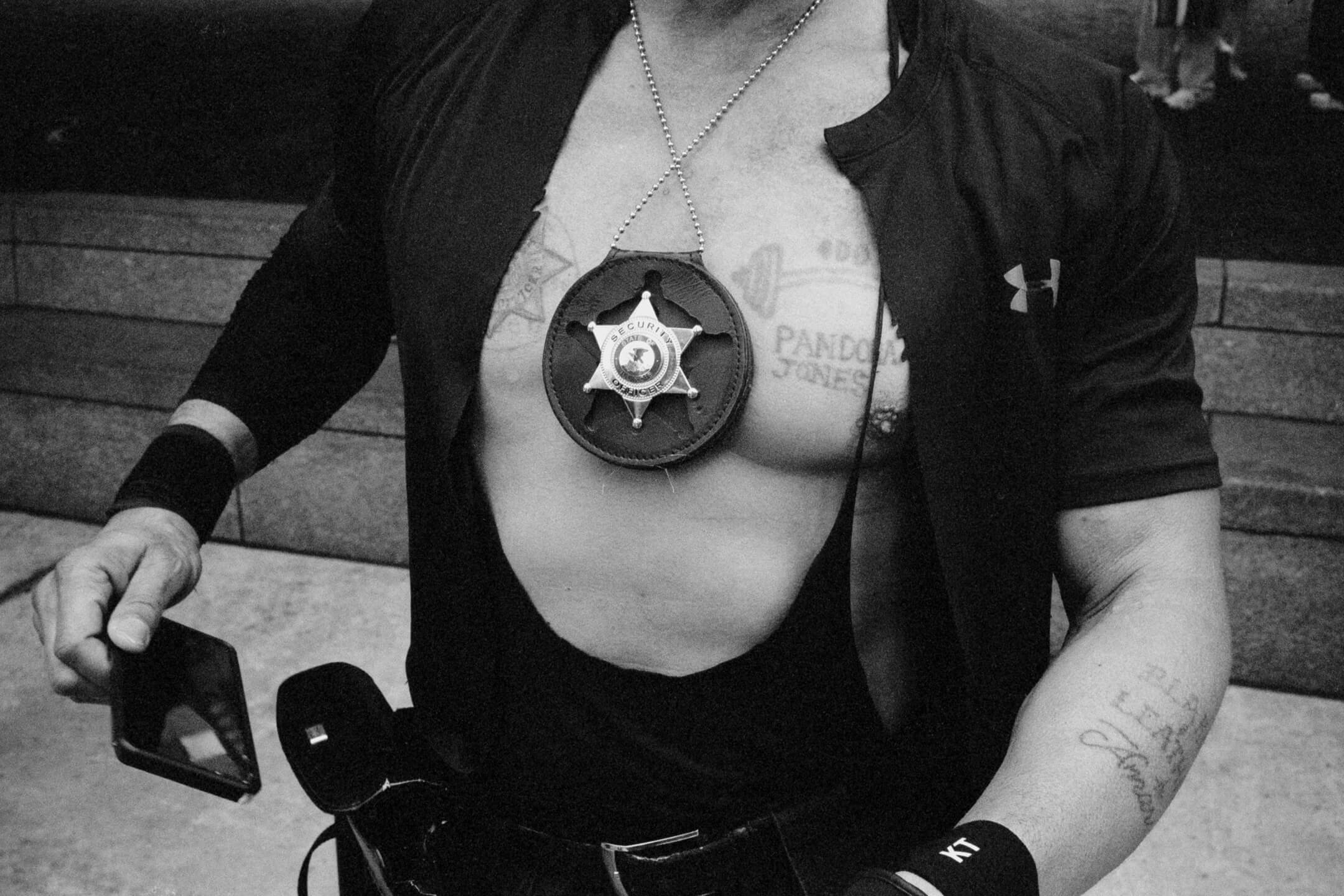
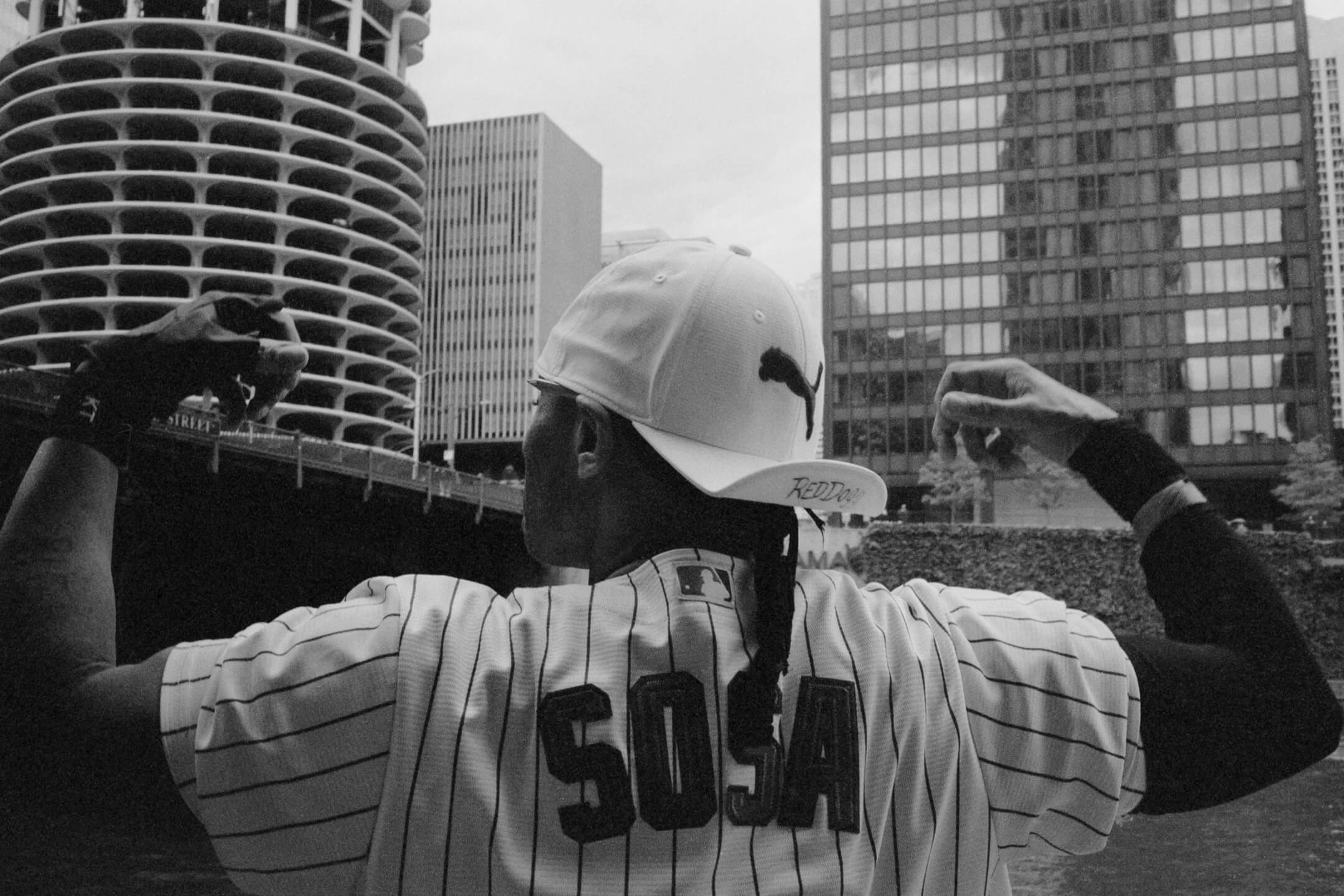
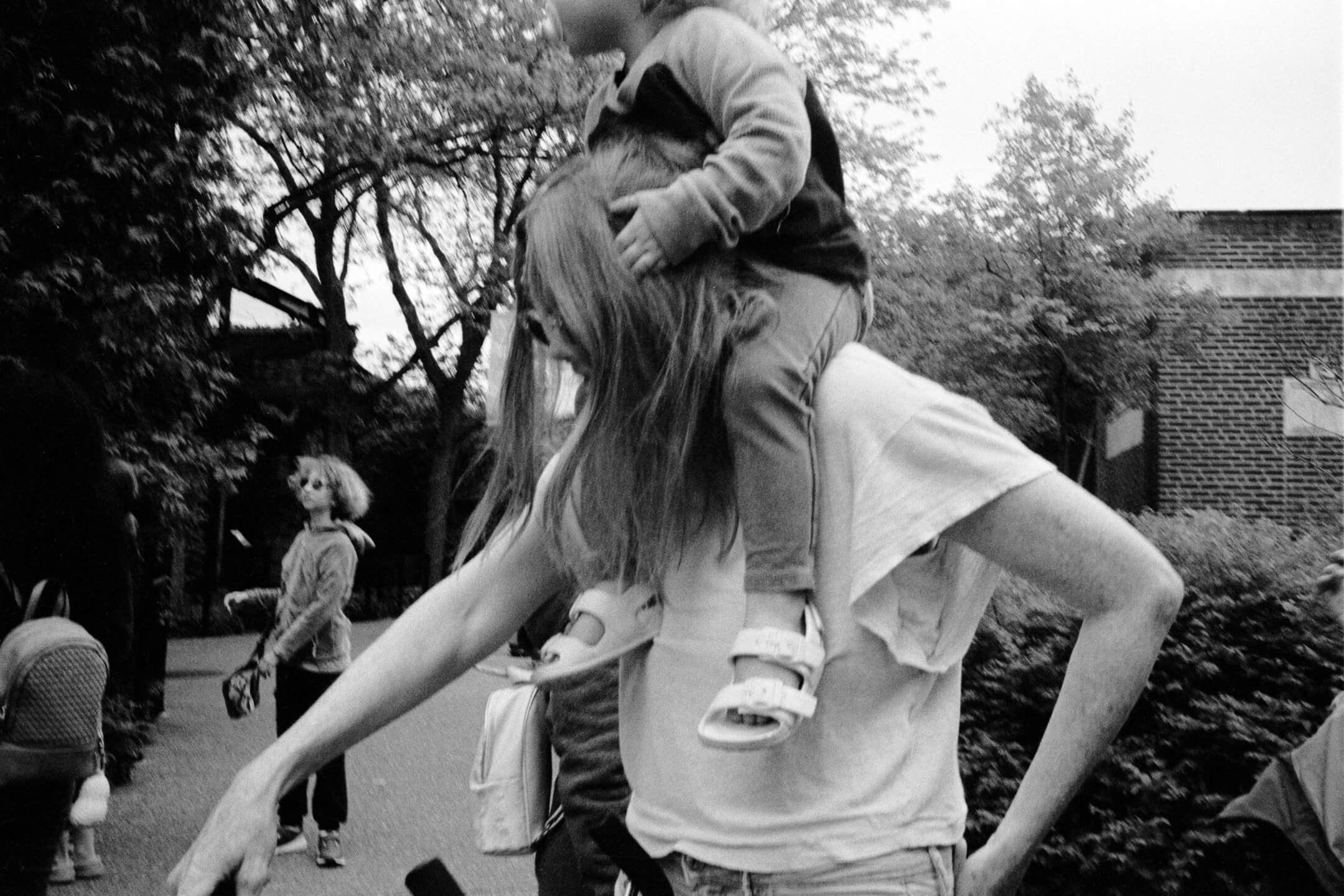
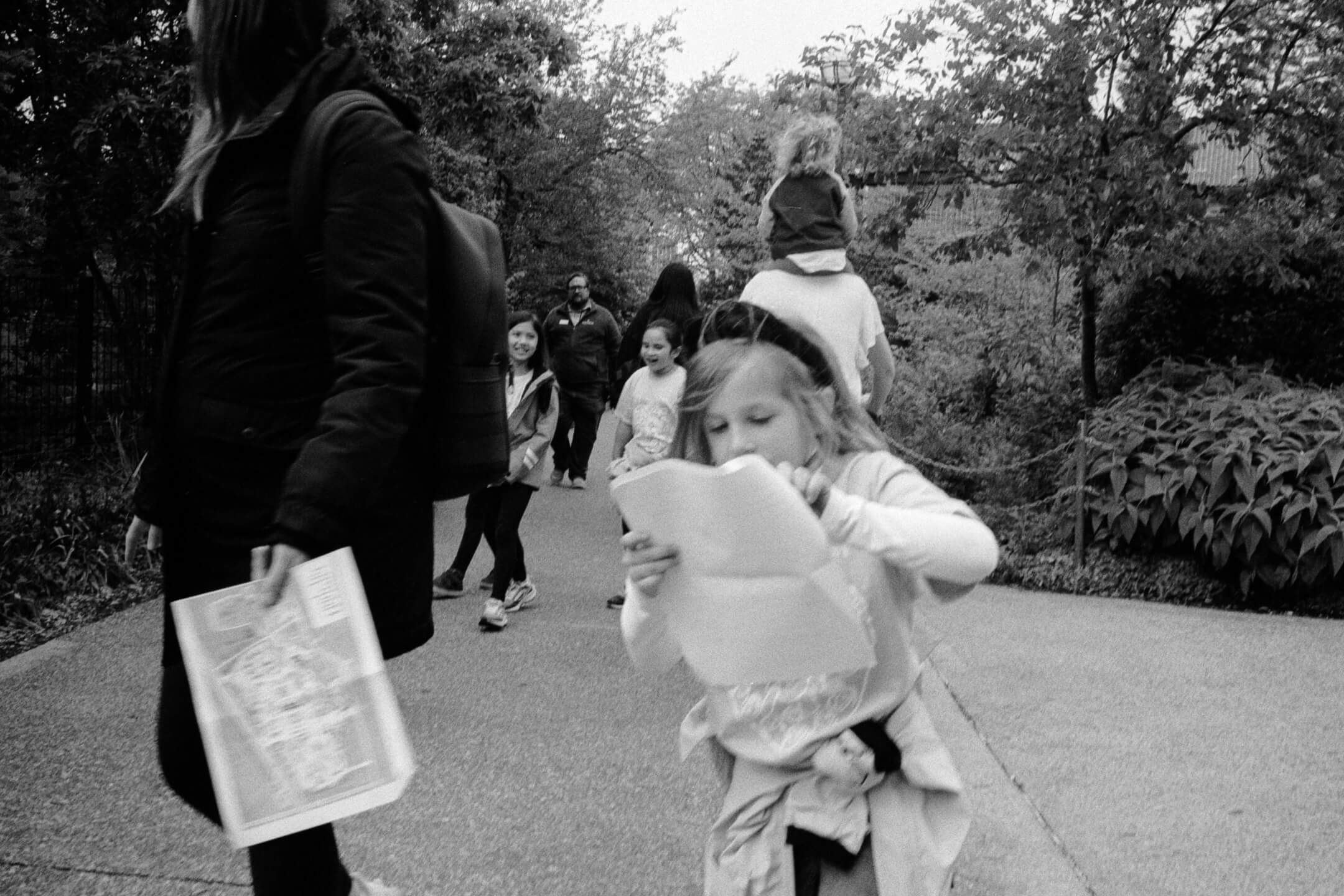
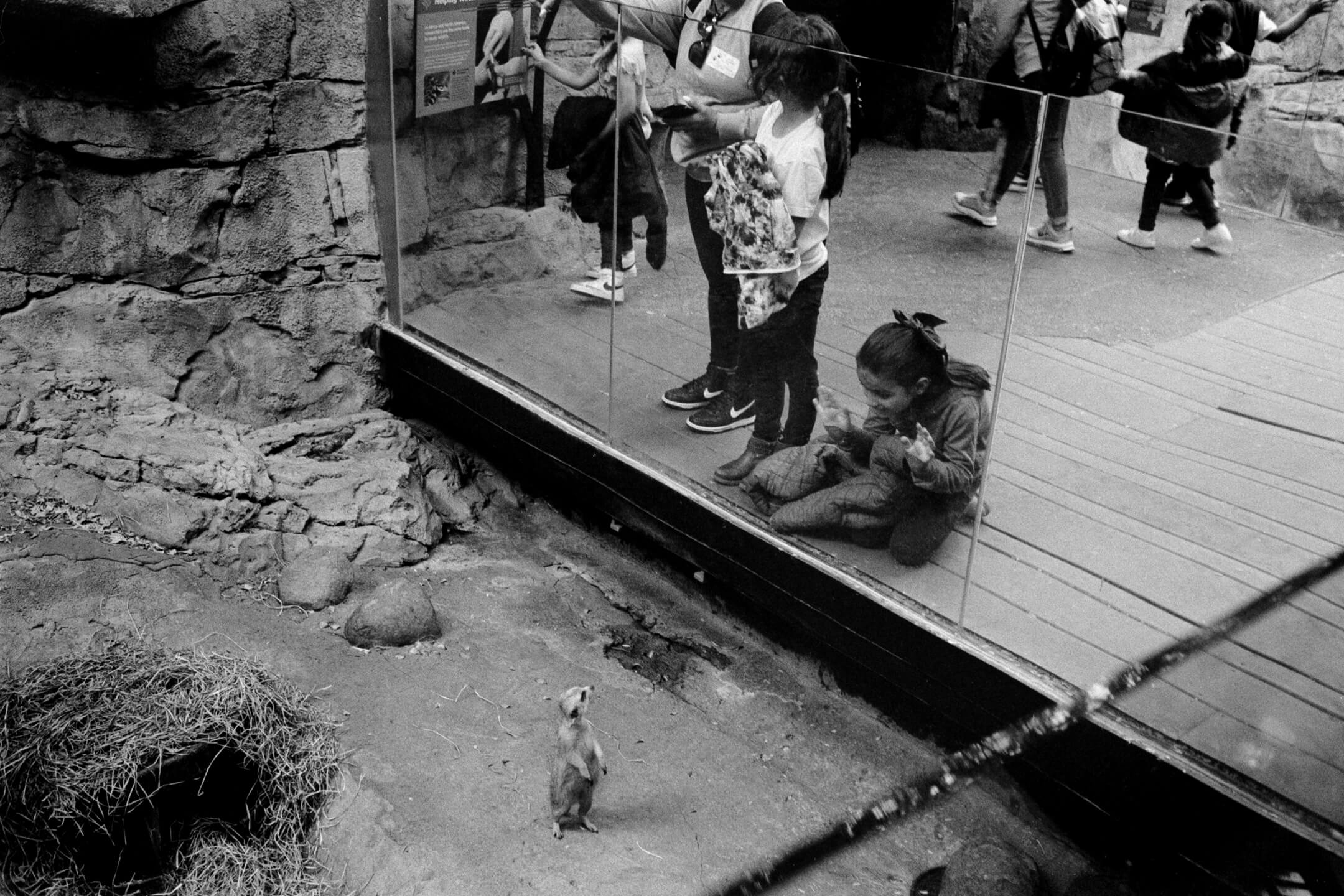
These photos are from a Chicago trip in Spring 2024 where I had two goals: break a dry spell (I hadn’t been shooting much, let alone developing), and experiment with Kodak HC-110 after years as a Rodinal evangelist. Patrolling around the loop and riverwalk has been a reliable bet for finding scenes that interest me but this time I added the Lincoln Park zoo to my route as a change of pace.
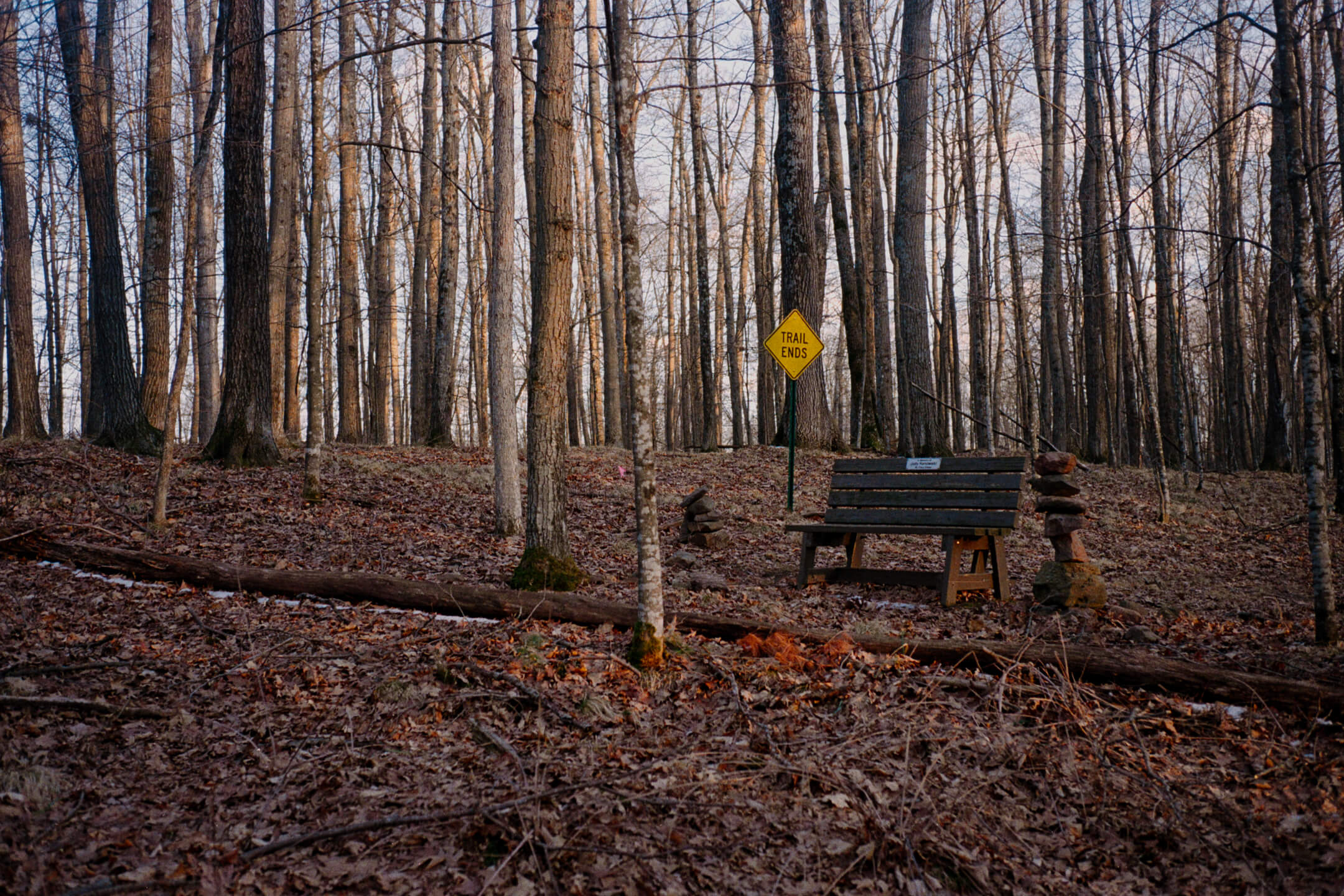
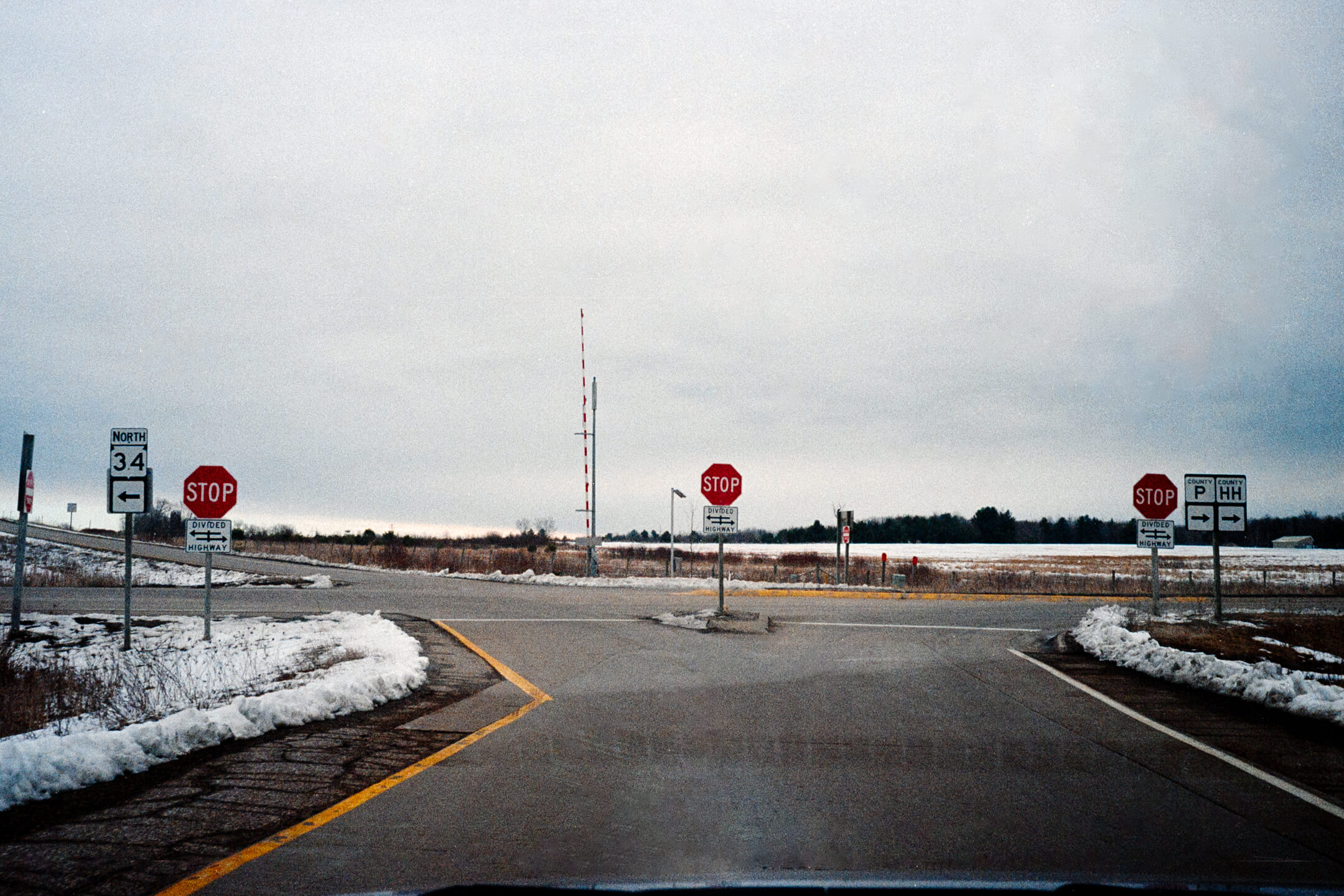
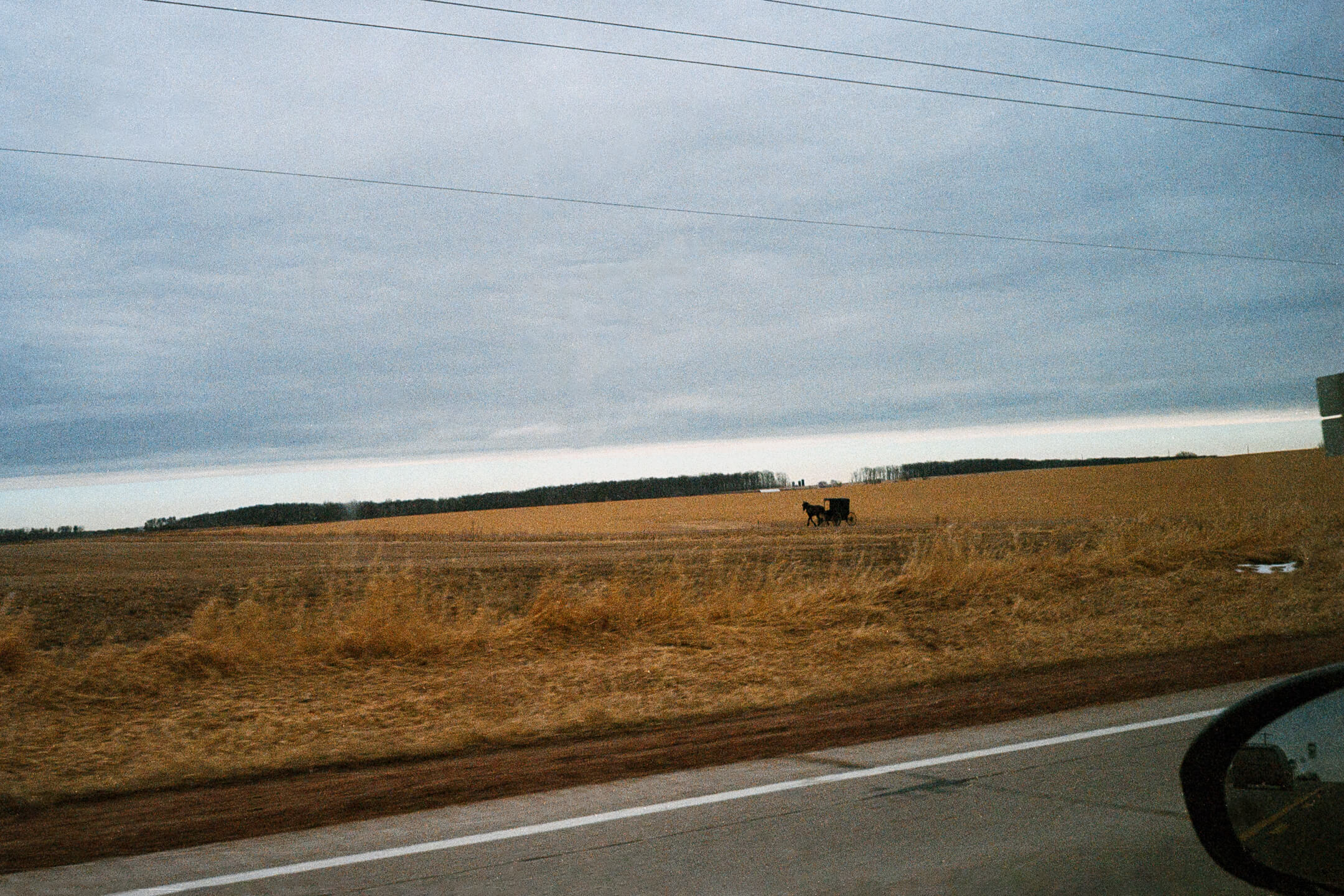
March 1st, 2025, was my first night in a new apartment and my last day at a job I’d held for four years. I had been living in Milwaukee for two years and was now struggling to find a compelling reason to stay. Facing dead ends and an anxious future, I did what I always do when I need to recalibrate: I took a trip, this time into the woods of Wisconsin.
I found myself in a small gift shop, buying a bottle of maple syrup, when I froze at a display of postcards. A local photographer’s work, playful and unselfconscious, flooded me with a feeling I mistook for envy. It wasn’t. It was grief, sharp and sour, for the version of me who once lived for the joy of making. The goal of this trip had been to figure out my next career move and living situation, but I couldn’t deny the squall now confronting me.
For the next four days, I wrote, read, meditated, walked trails, sat in the glow of sunrise, and stared at the stars. I could finally feel the calluses I’d grown over a decade, layers of protection dulling the curiosity and hope that had once driven me. How had I drifted so far from my creative center?
I had picked up the audiobook The Creative Act: A Way of Being for when I was driving around without cell service. I found the book a bit difficult to get through; Rick Rubin’s nonstop philosophical prose nearly stripped all words of meaning. However, one passage refused to leave me:
If you have an idea you’re excited about and you don’t bring it to life, it’s not uncommon for the idea to find its voice through another maker. This isn’t because the other artist stole your idea, but because the idea’s time has come. …The best artists tend to be the ones with the most sensitive antennae to draw in the energy resonating at a particular moment. …They have to protect themselves because everything hurts more. They feel everything more deeply.
Determined, I challenged myself during this limbo to surrender and attune to my rabid curiosity again. Storytelling lets me parse the world, but photography allows me to fossilize myself into the soil beneath. When I’m making photographs, I’m immortal.
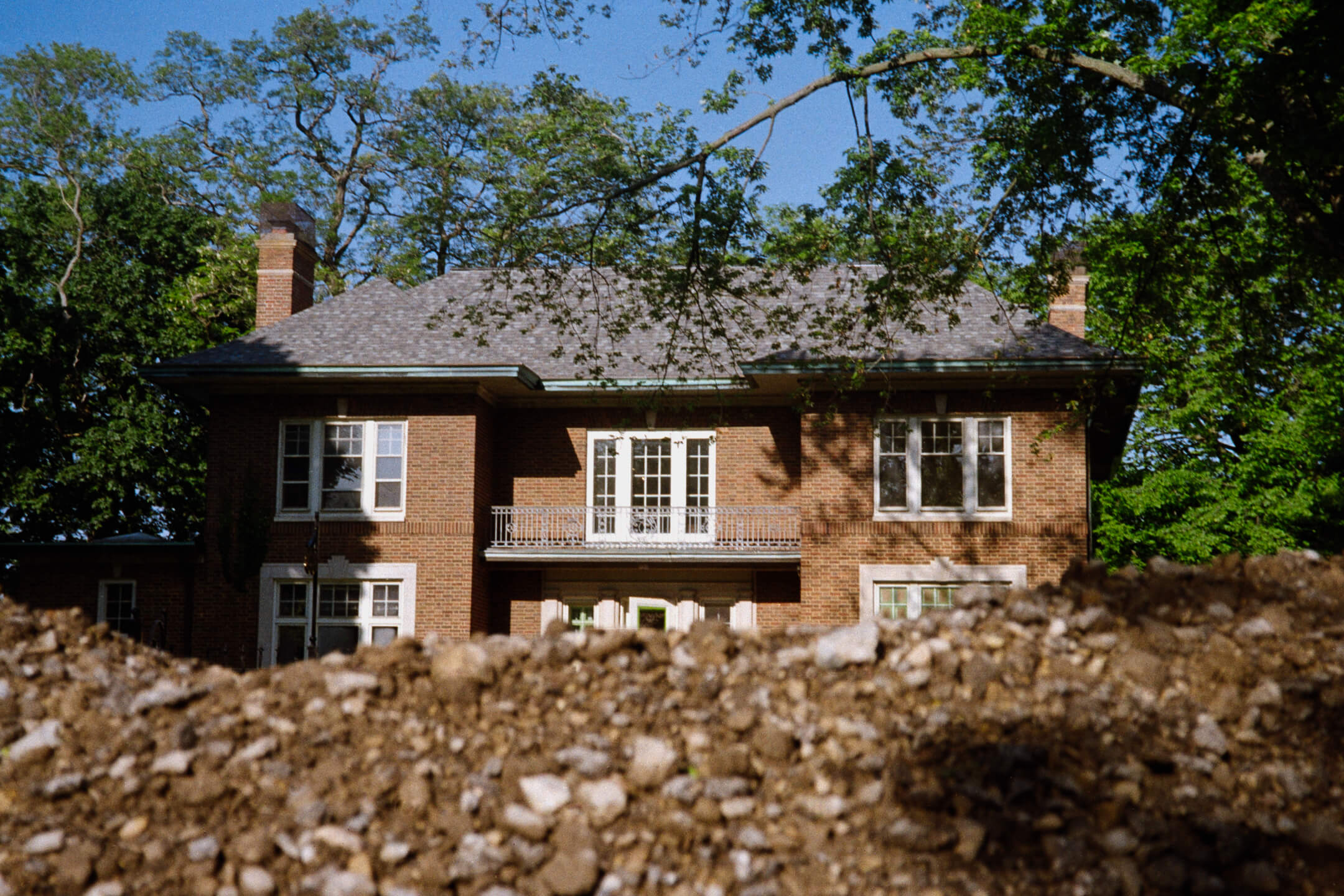
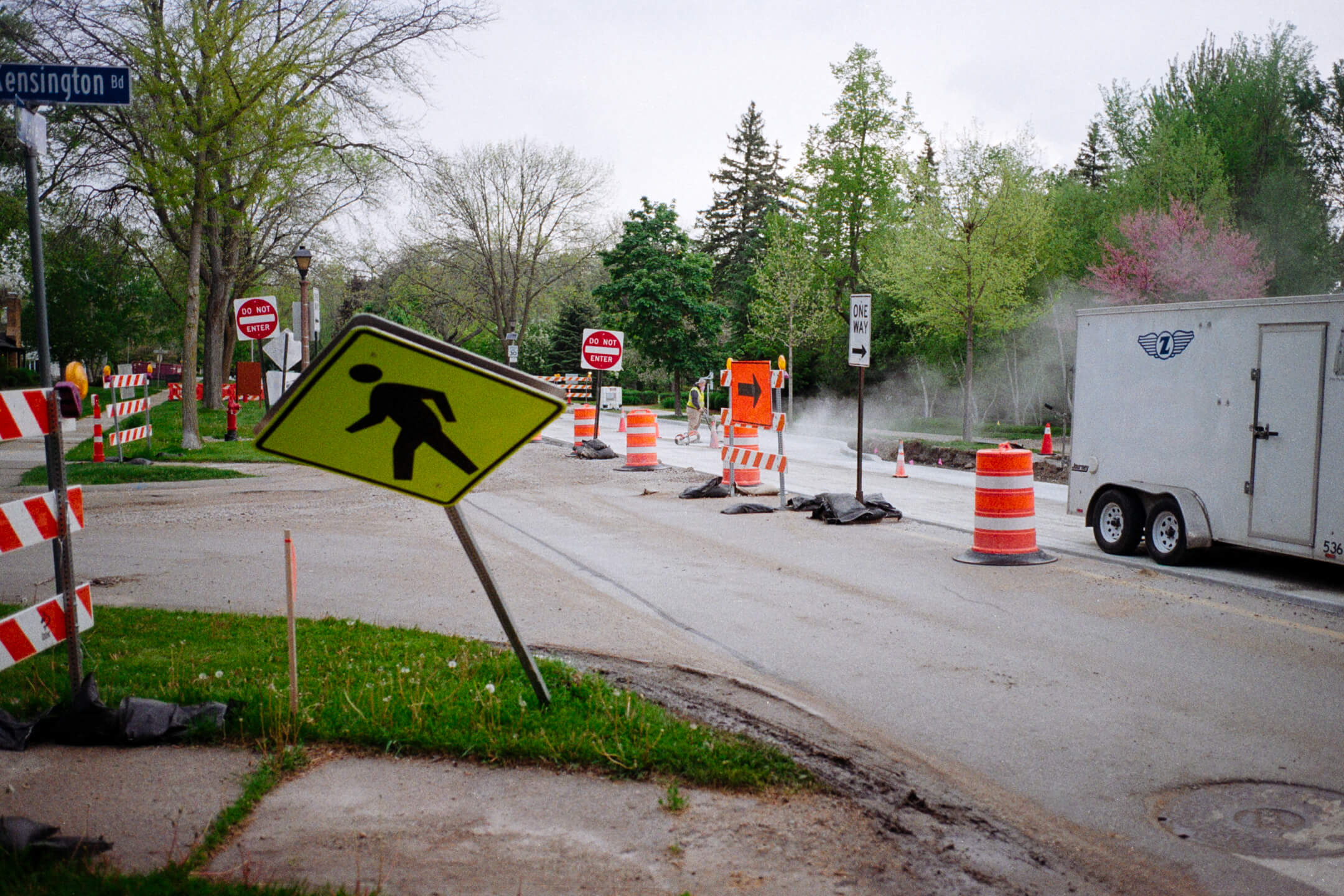
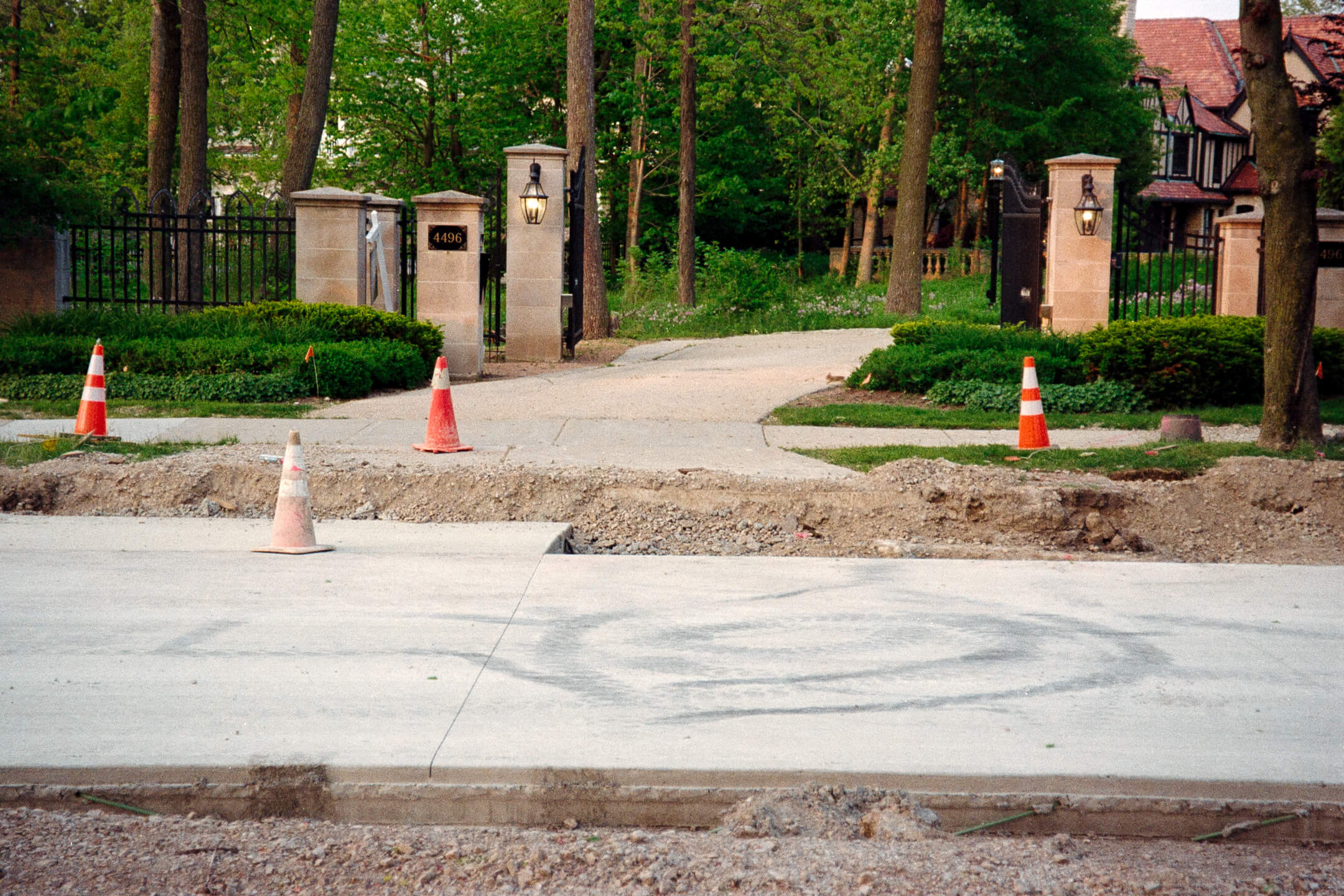
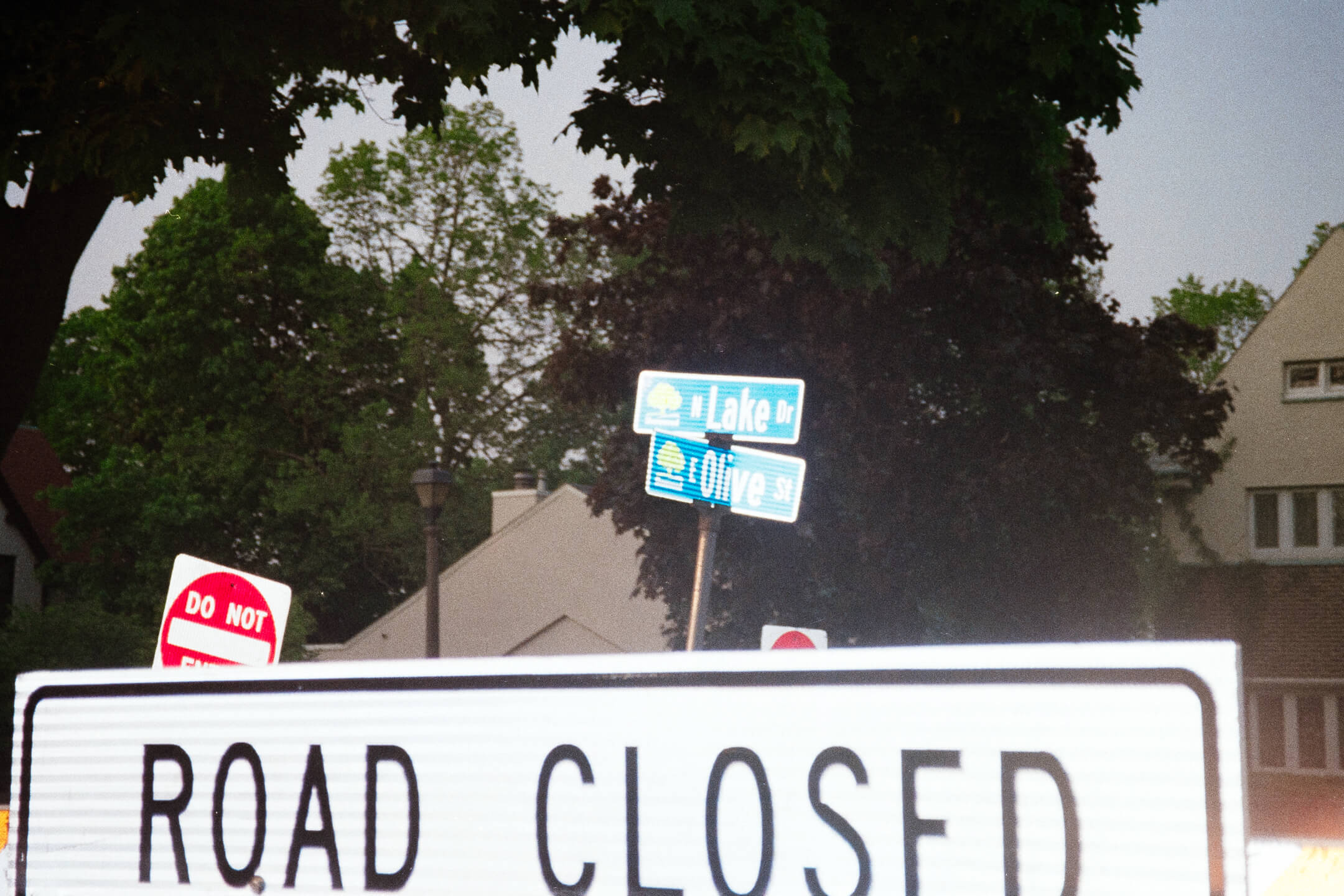
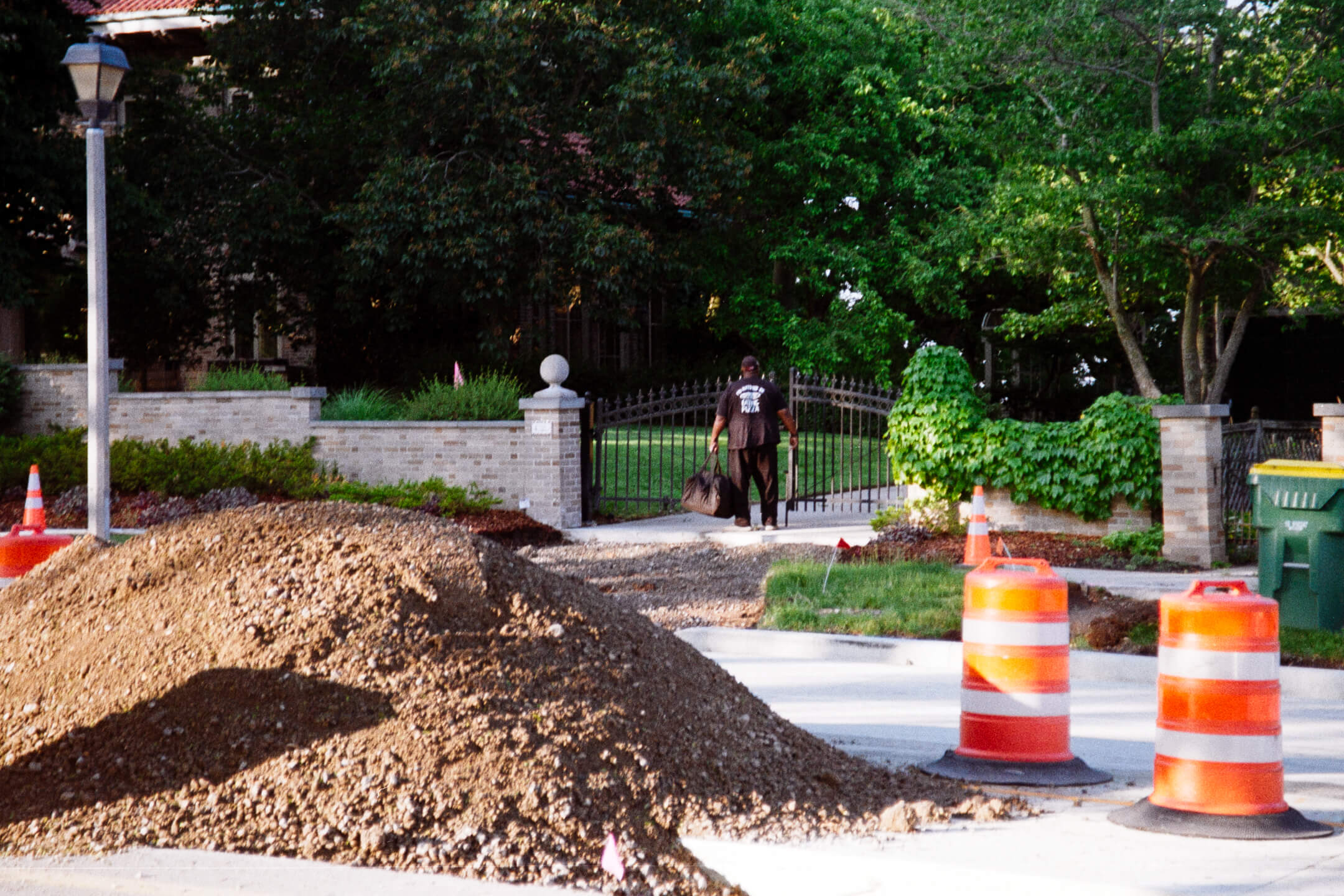
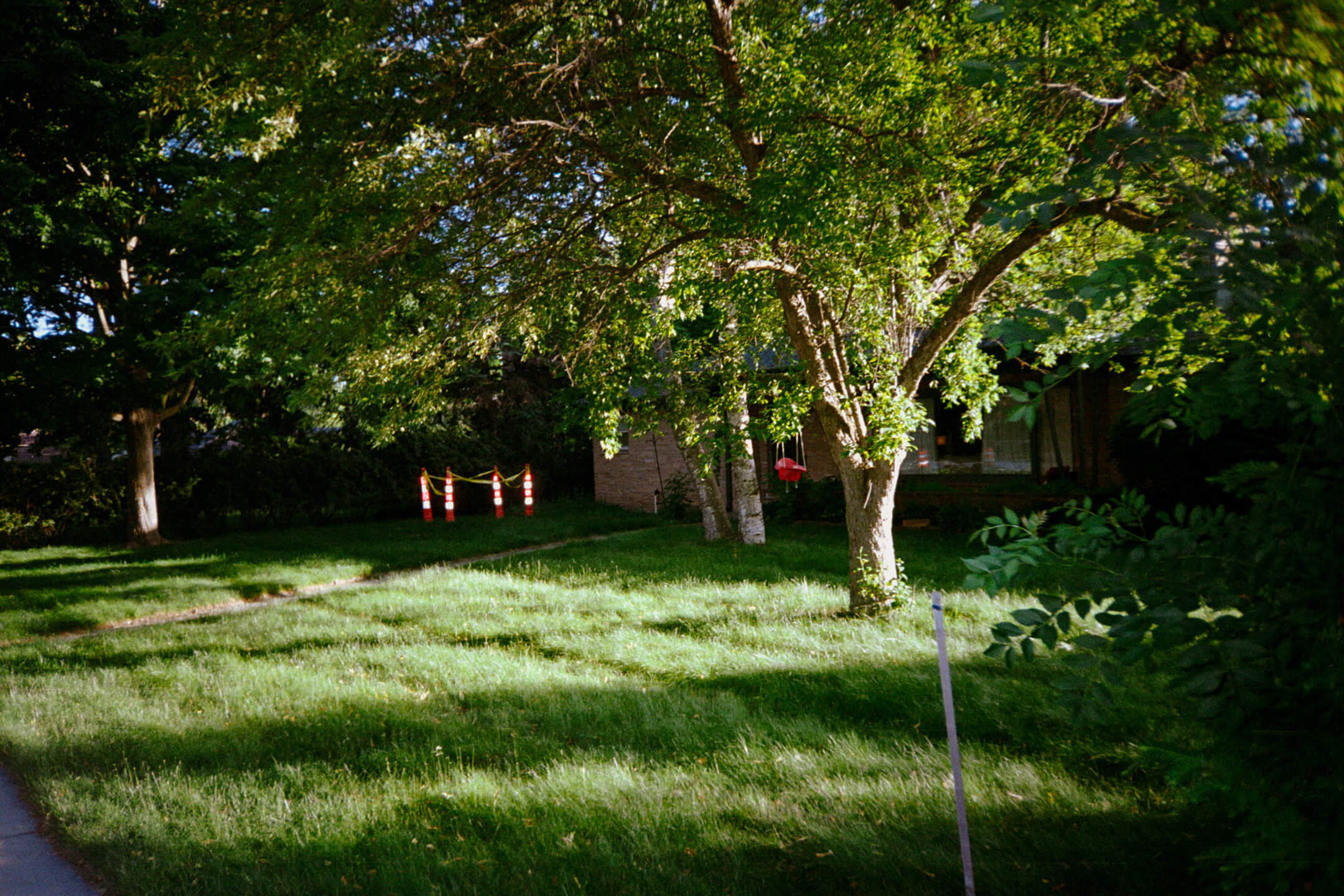
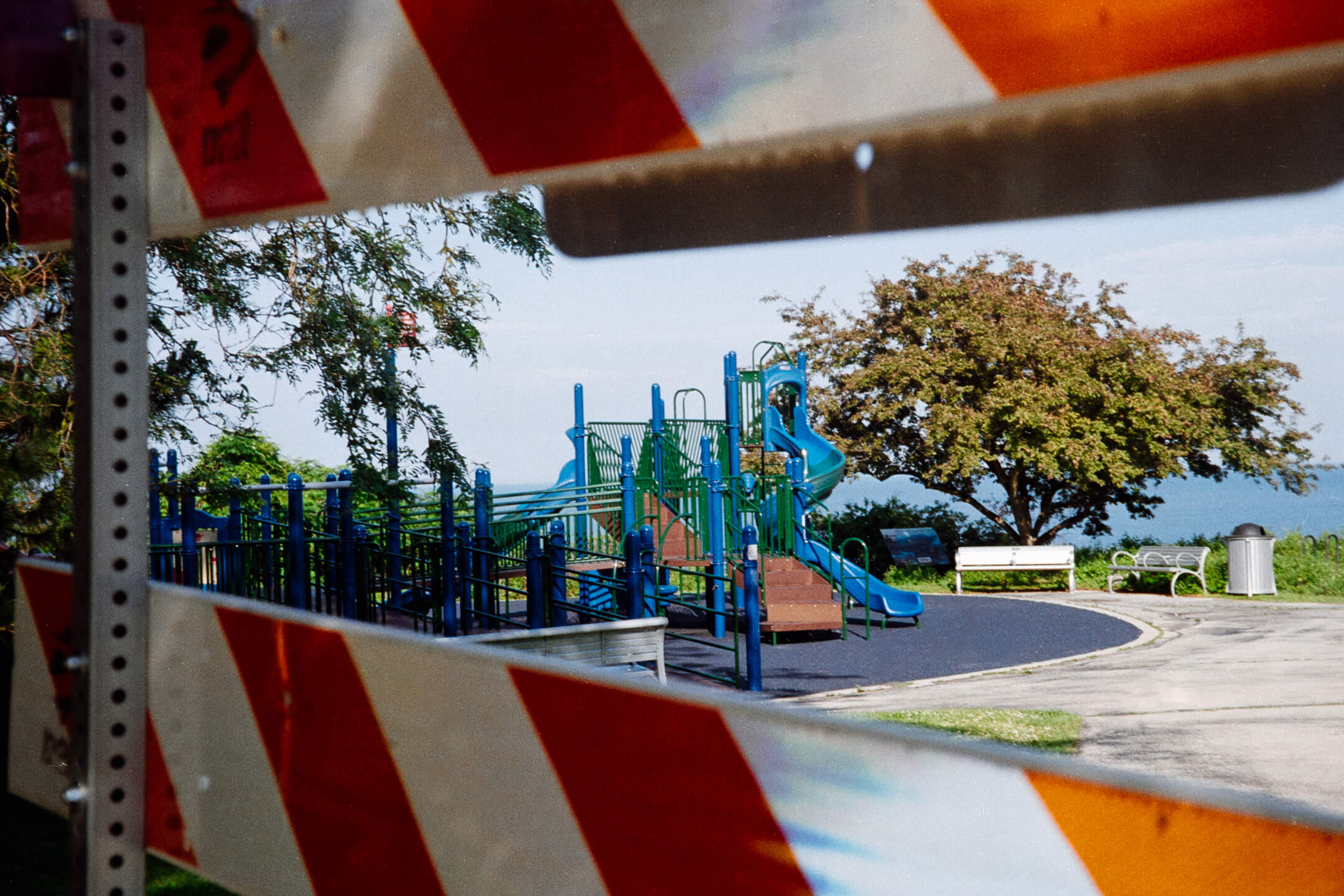
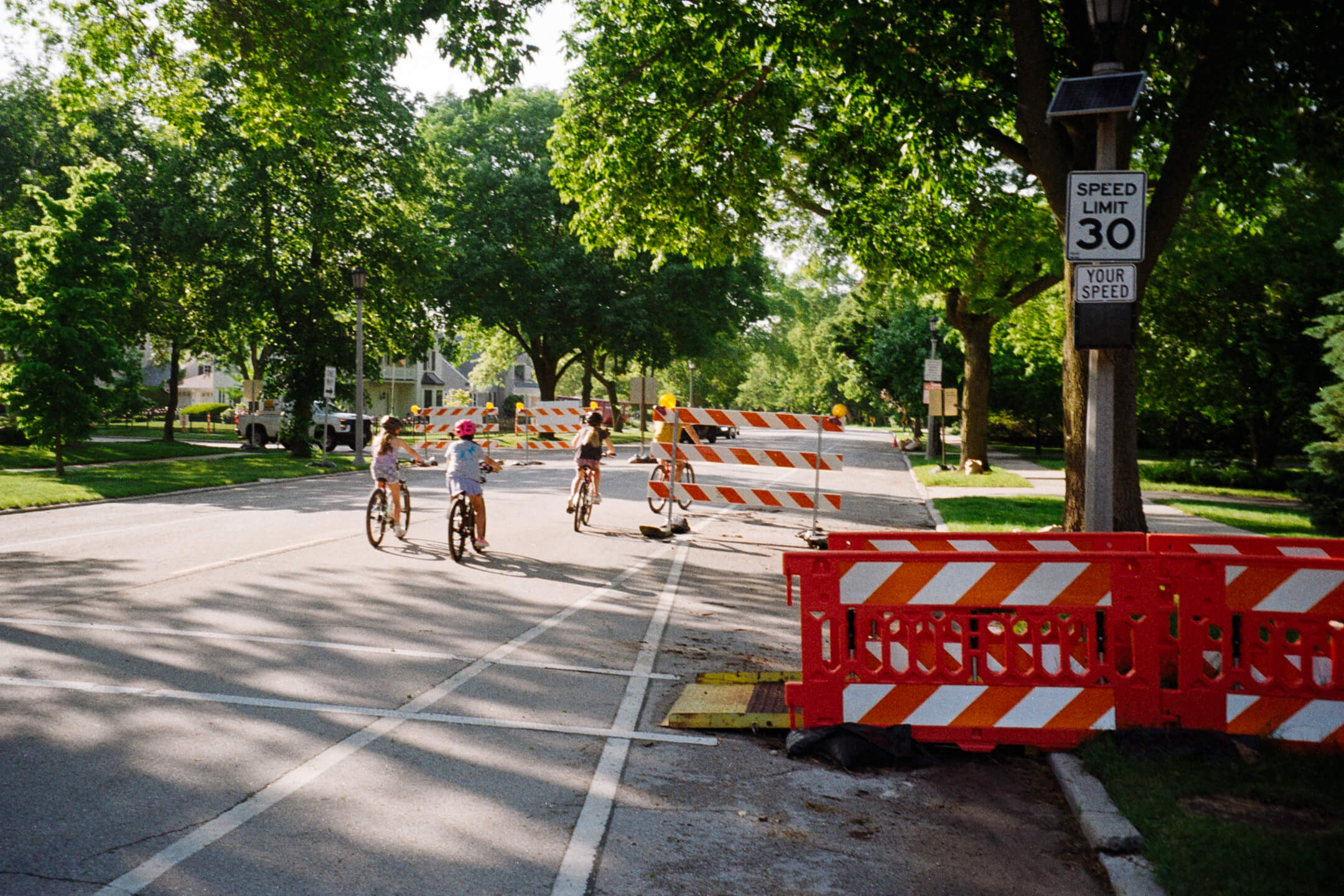
After returning, I began bringing my cameras along on walks through my new neighborhood. I did so nervously at first; my camera had been feeling more like a paperweight than any kind of creative tool. Yet soon I was pulled, again and again, to a construction site on Lake Drive, a two-mile stretch of torn-up road lined with million-dollar homes overlooking Lake Michigan. Typically consumed with traffic, it was suddenly quiet in the evenings when the work crews were gone, leaving behind cement dust and the sweet smell of diesel.
I returned week after week, confused by my fixation but reminding myself not to get wrapped up in the why. There was a compelling contrast in these grand homes with their severed driveways and manicured lawns now fraying at the edges. The residents stepped over debris with a patience that unnerved me. They trudged through the disruption with neither resignation nor frustration, but with an understanding that this was a temporary discomfort.
After four months of unemployment, I was about to start a new job. This uncertain time was done; I had come to the other side with a clearer sense of how I wanted to live. How to listen to the whispers of longing. How to trust in the new paths unfolding. The camera in my hand buzzed now, arcing with playful energy again.
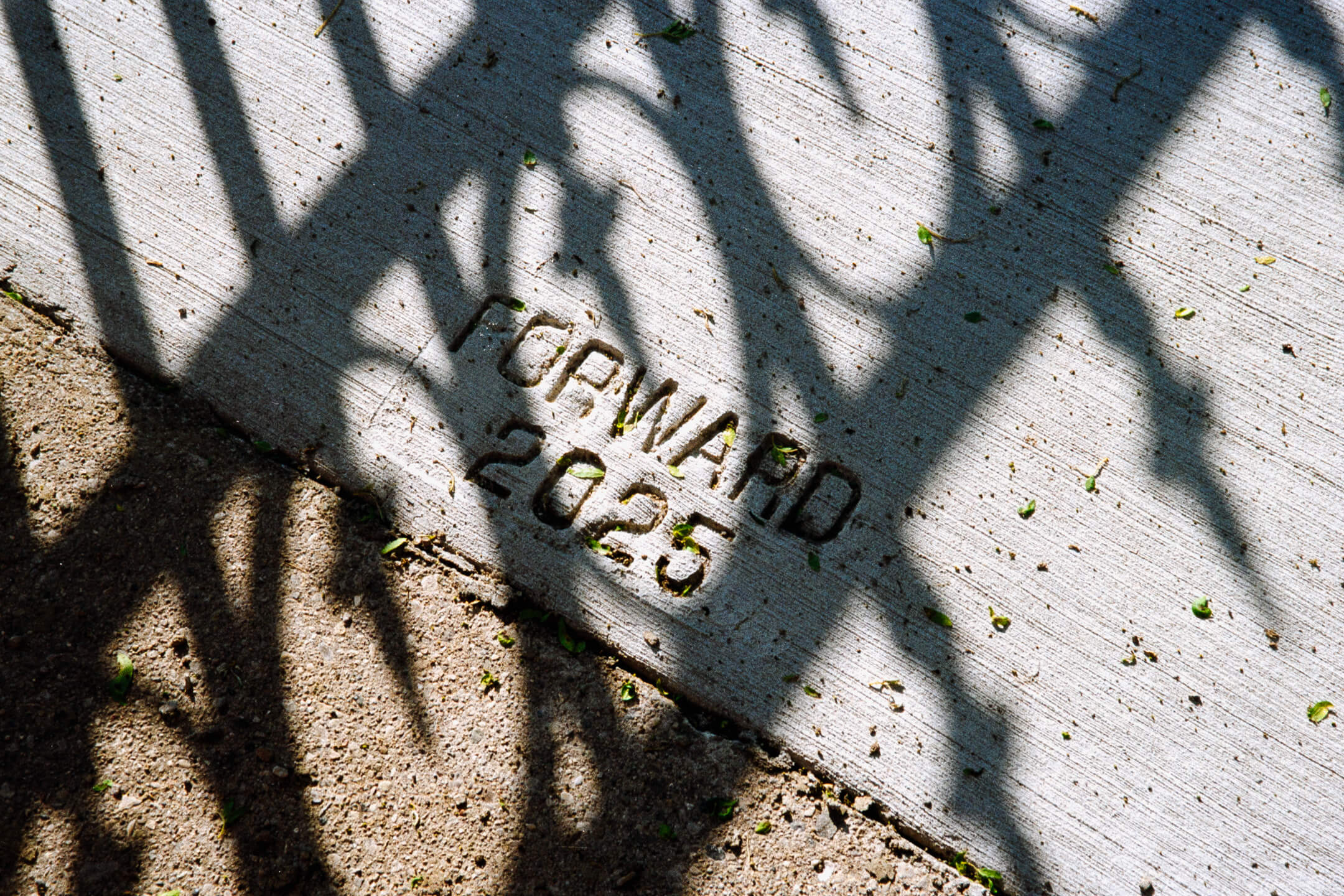
I walked out to the site one last time with an inexplicable feeling that I no longer needed this place. During that final evening walk, my attention was captured by freshly laid concrete, connected driveways, preserved handprints, and a message stamped into the new sidewalk—one I presumed was left just for me.
It was New Year’s 2019, and I toasted to 2020 like it owed me something. Every year begins with hope, but this felt different. The 2010s were finished, and I was ready for optimism in this new decade. 2020 was fun to say, there were 20/20 vision jokes, and Parasite had just won Best Picture.
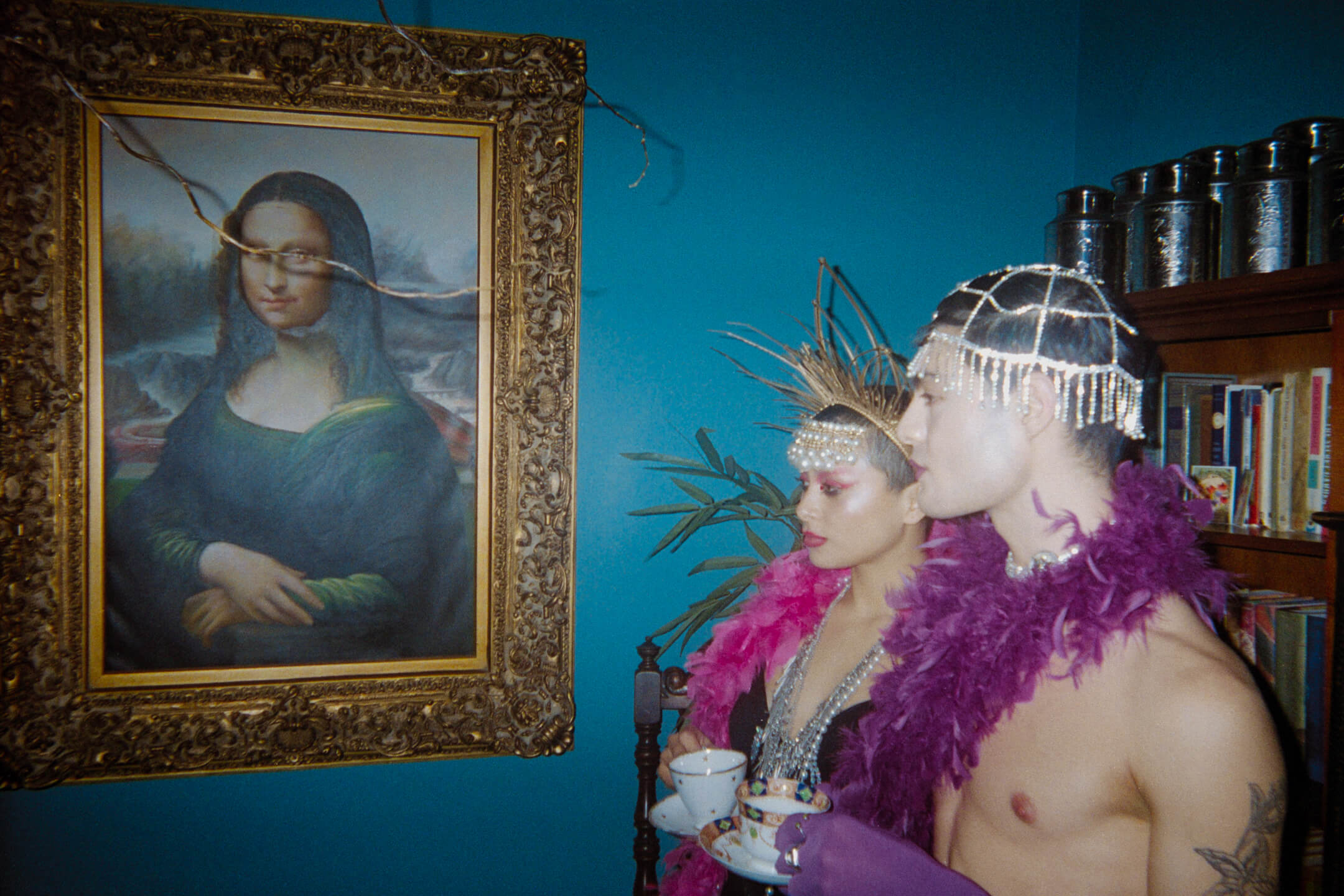
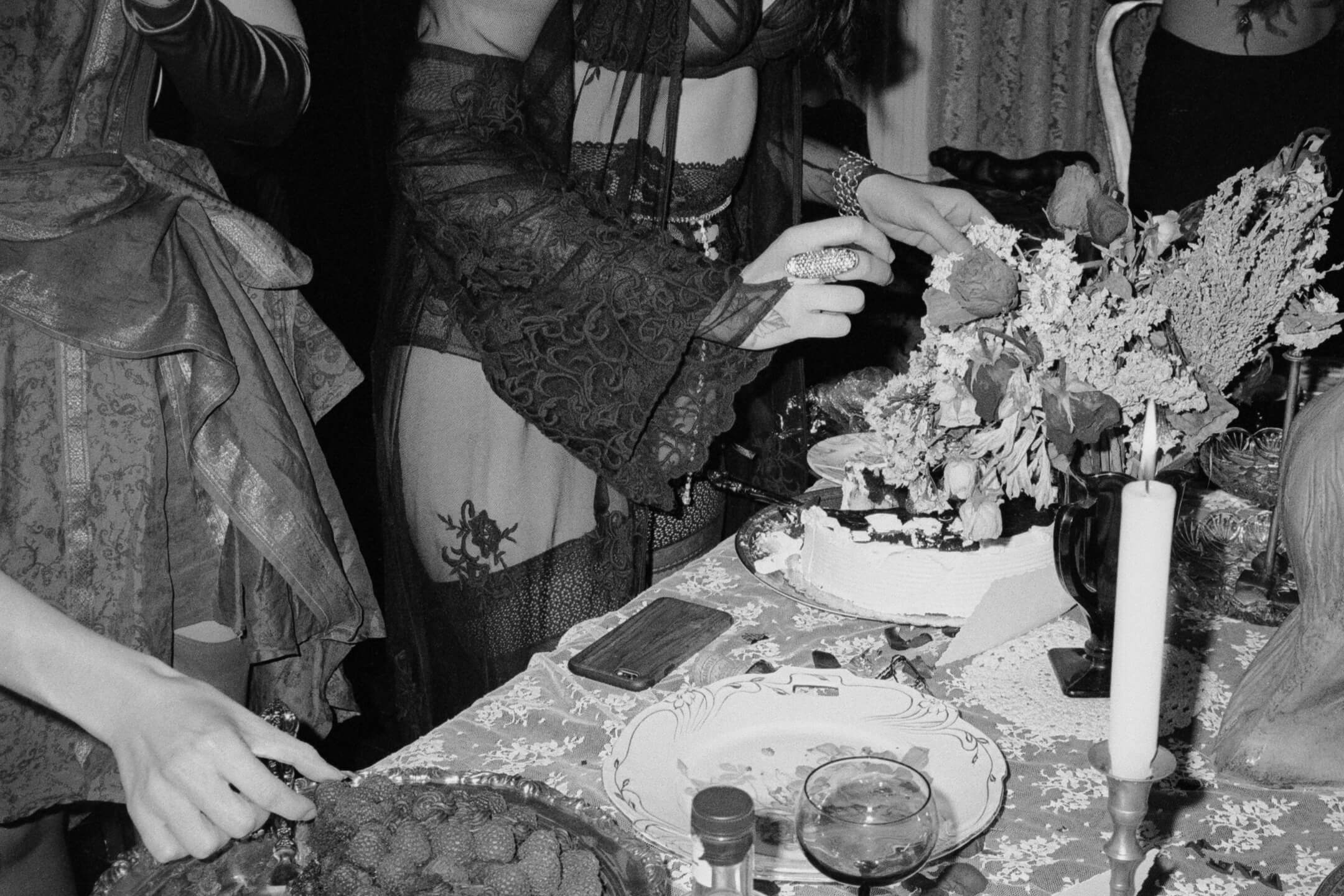
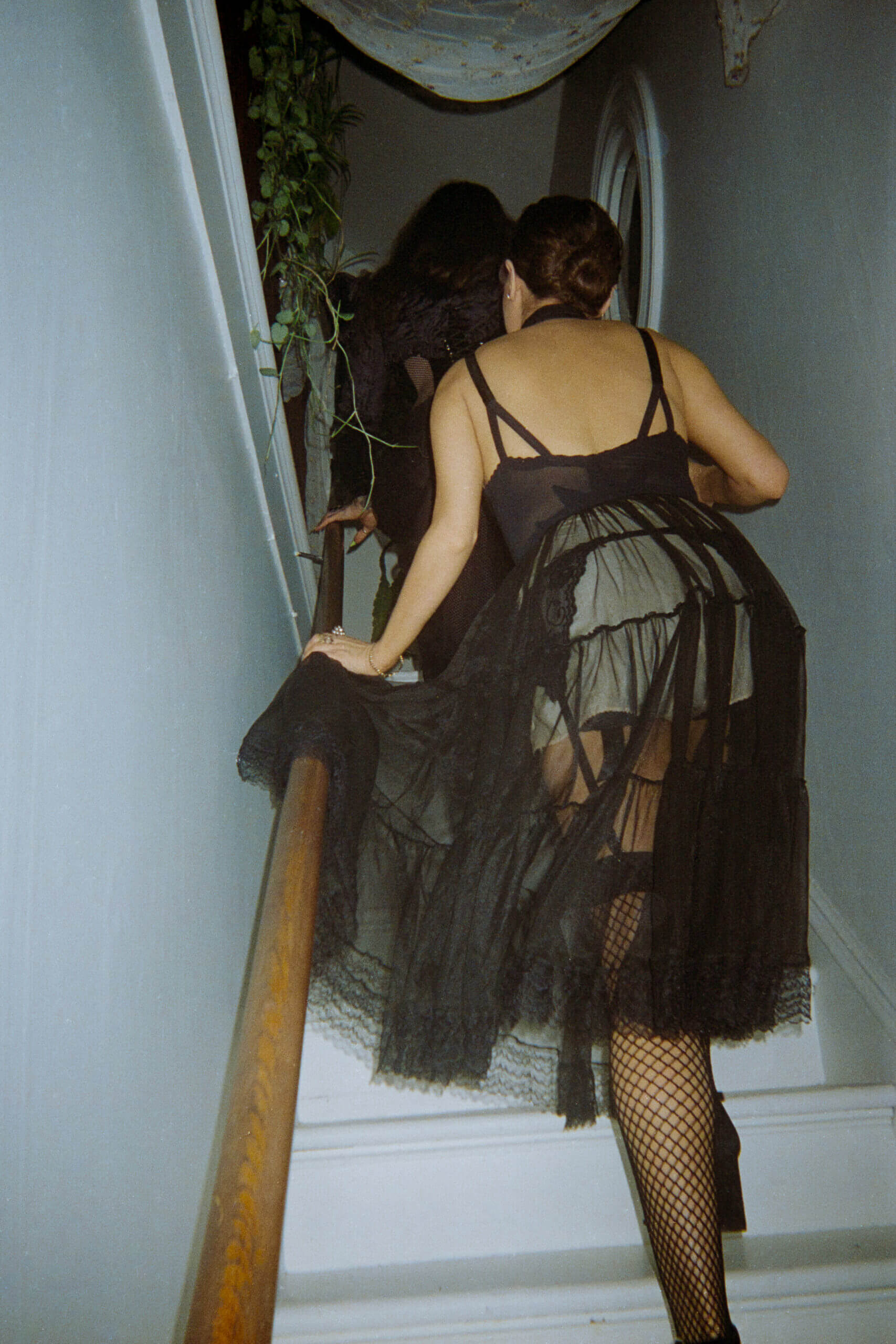
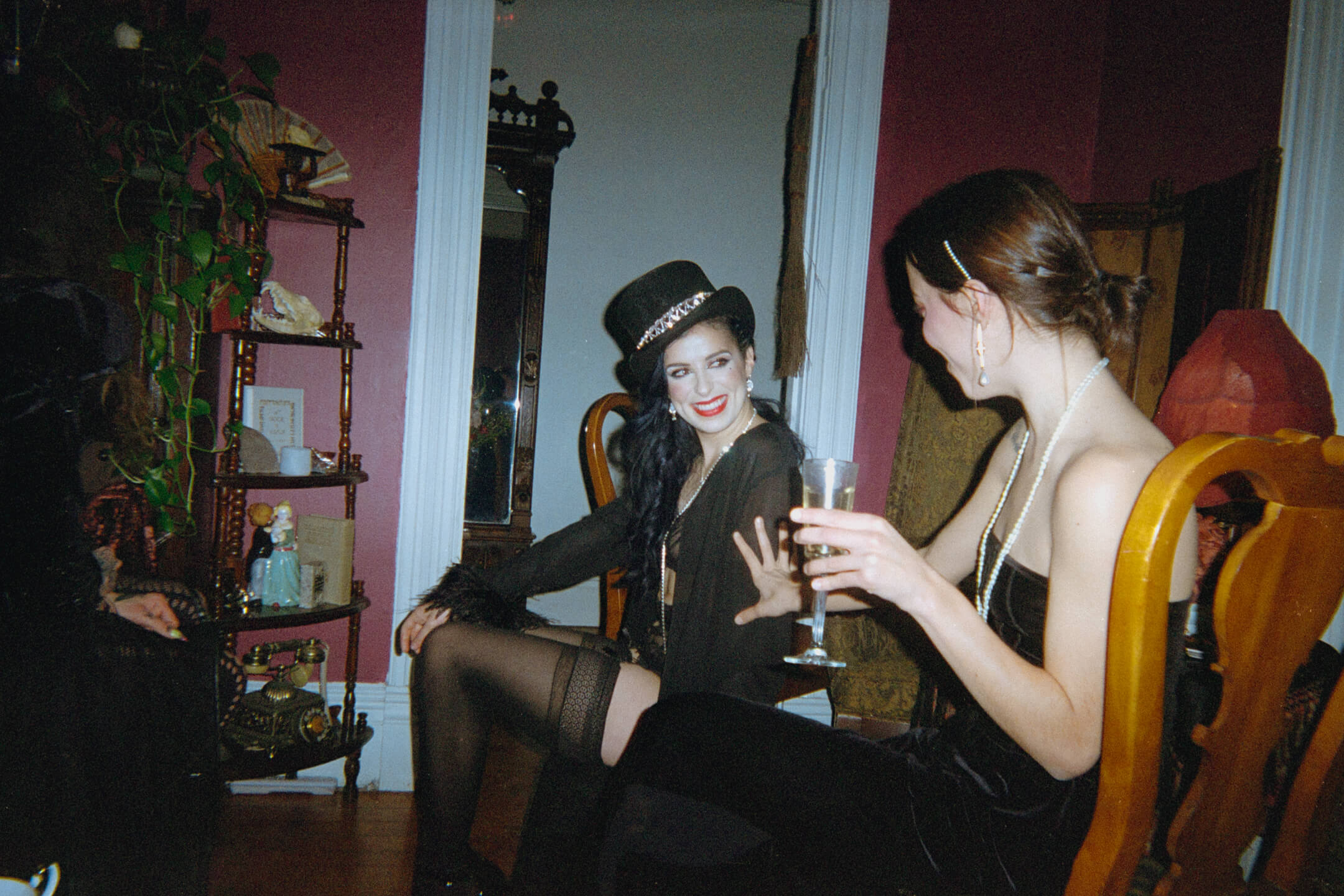
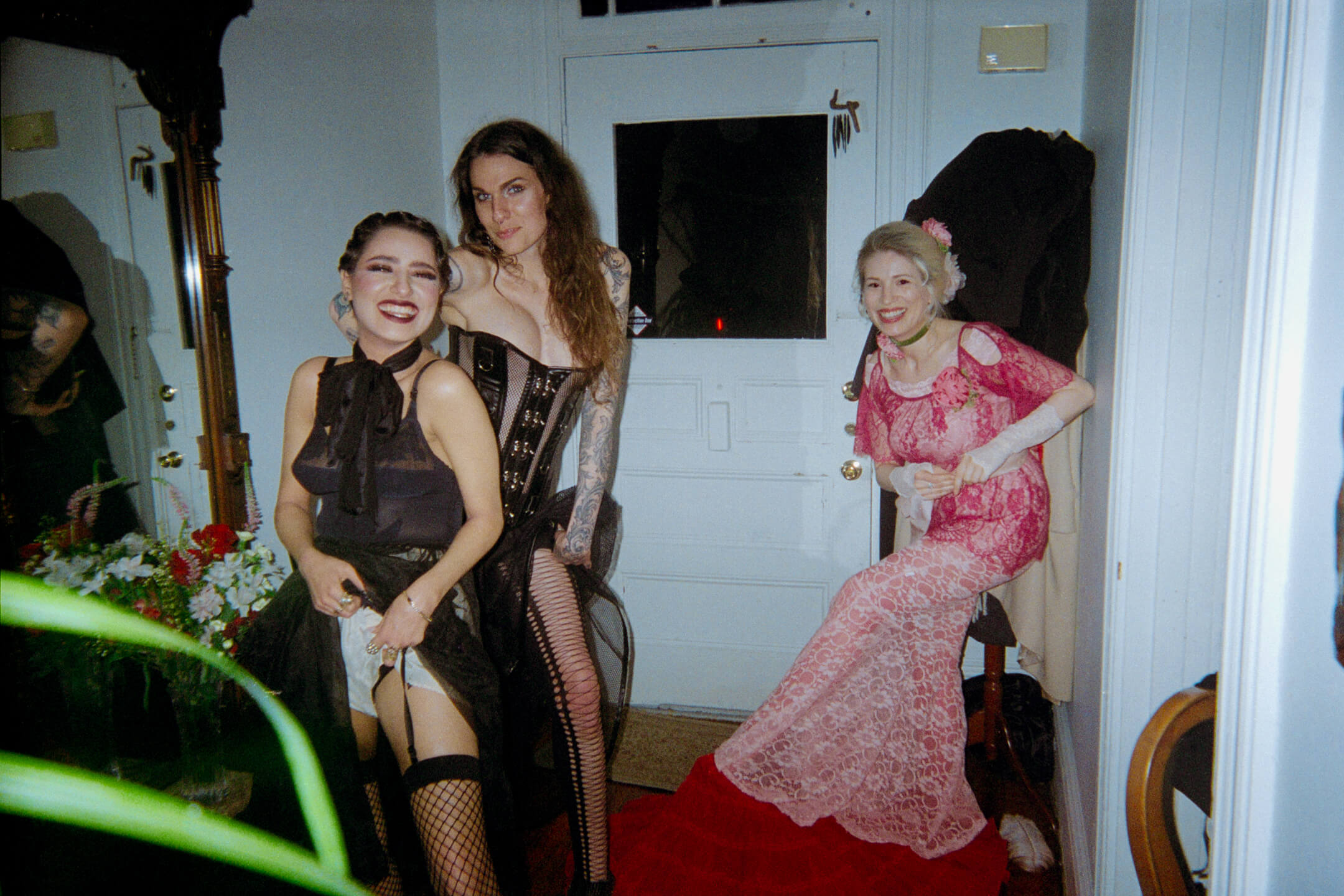
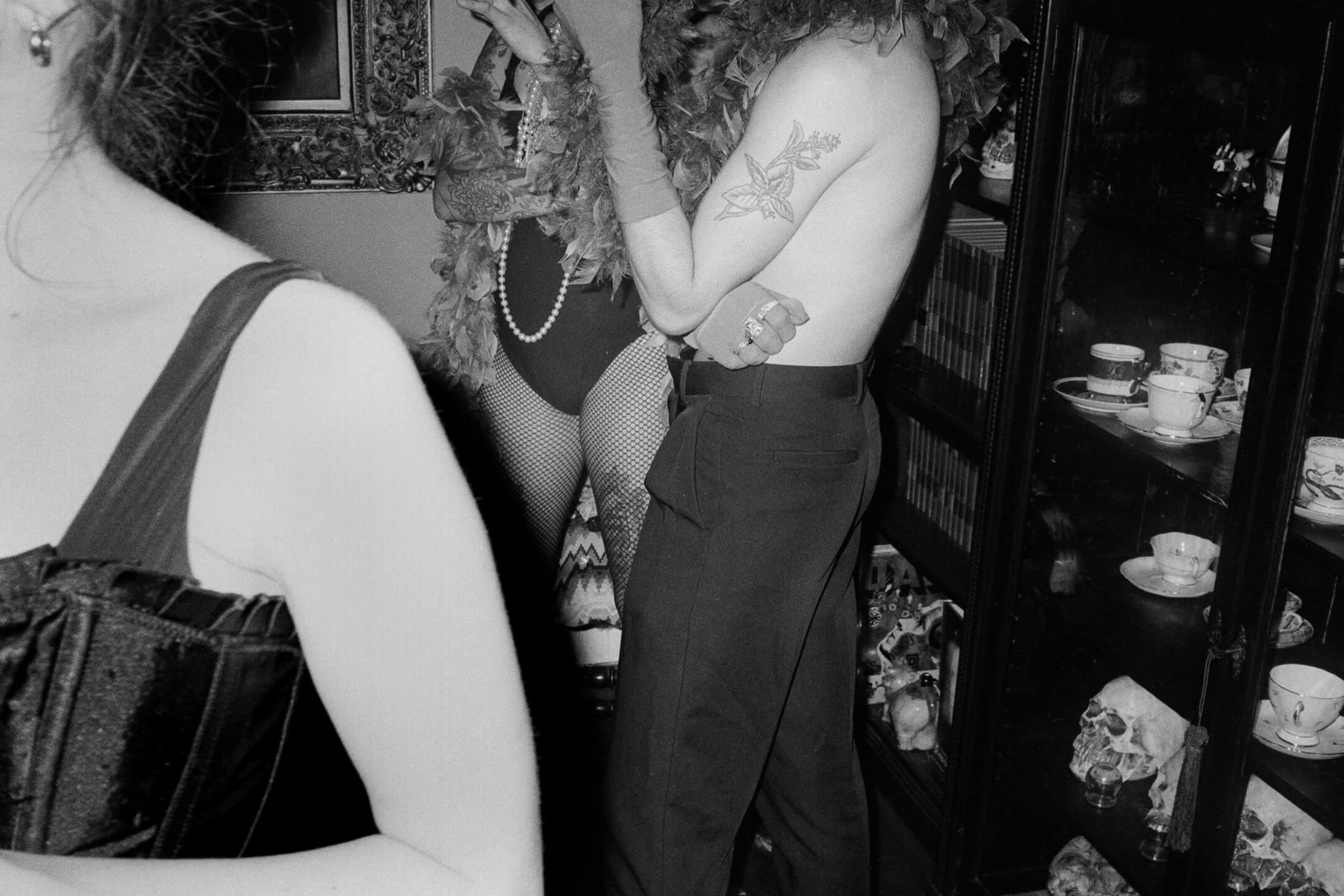
That Valentine’s Day, I attended a friend’s lavish house party in Portland’s Goose Hollow neighborhood. A lovely night of champagne, absinthe, satin and lace. That party is now known as my last outing before the covid lockdown, I would soon be sanitizing groceries.
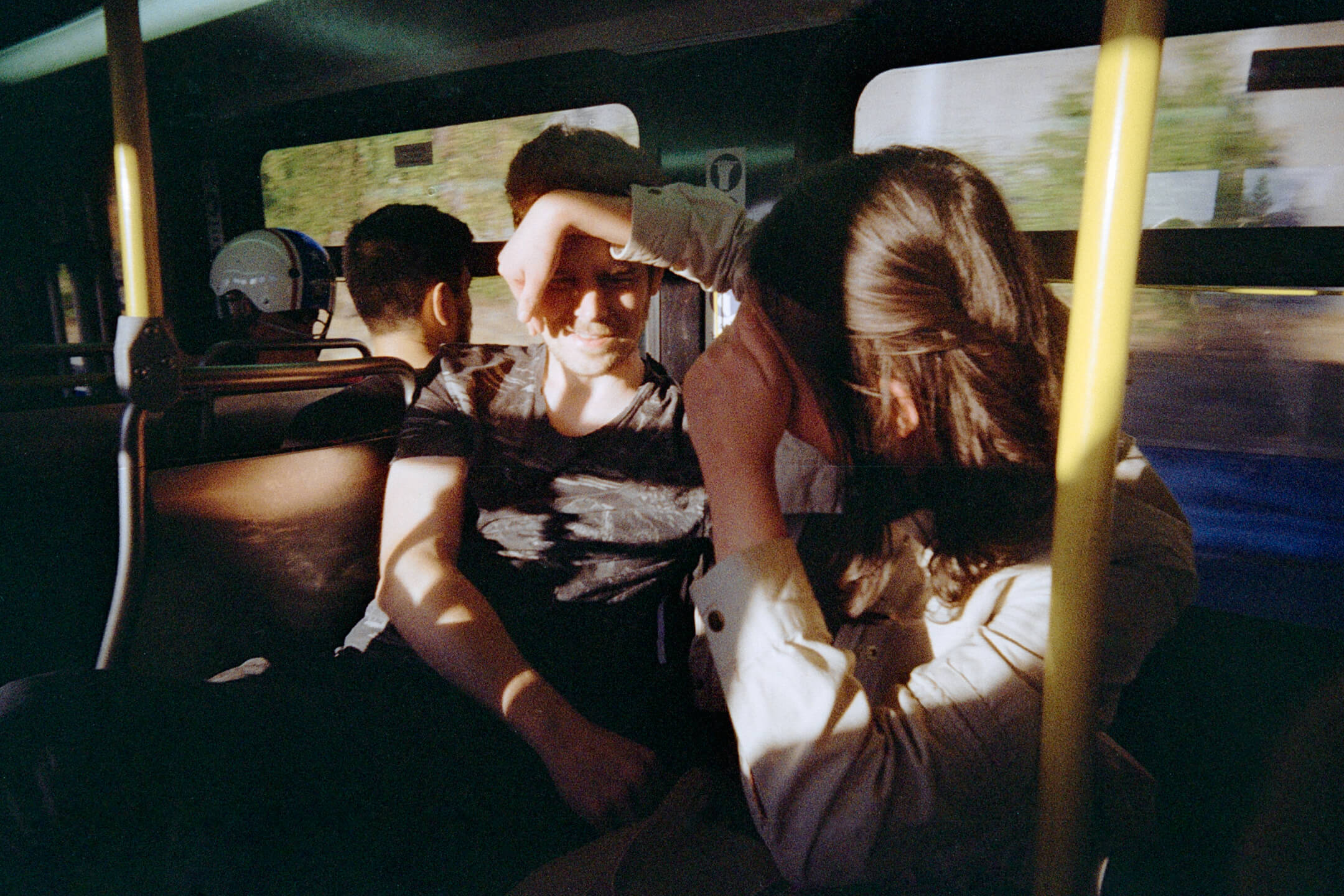
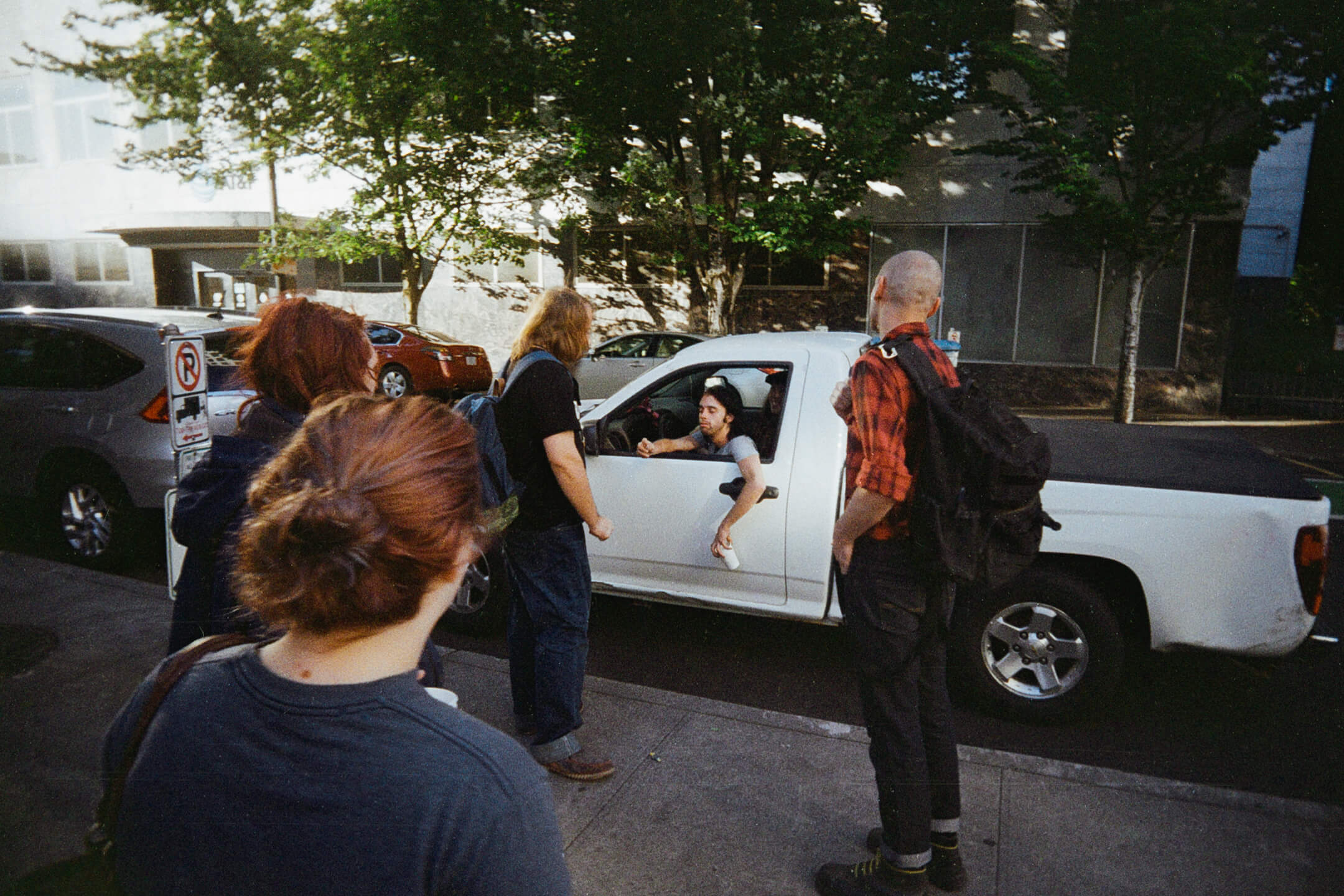
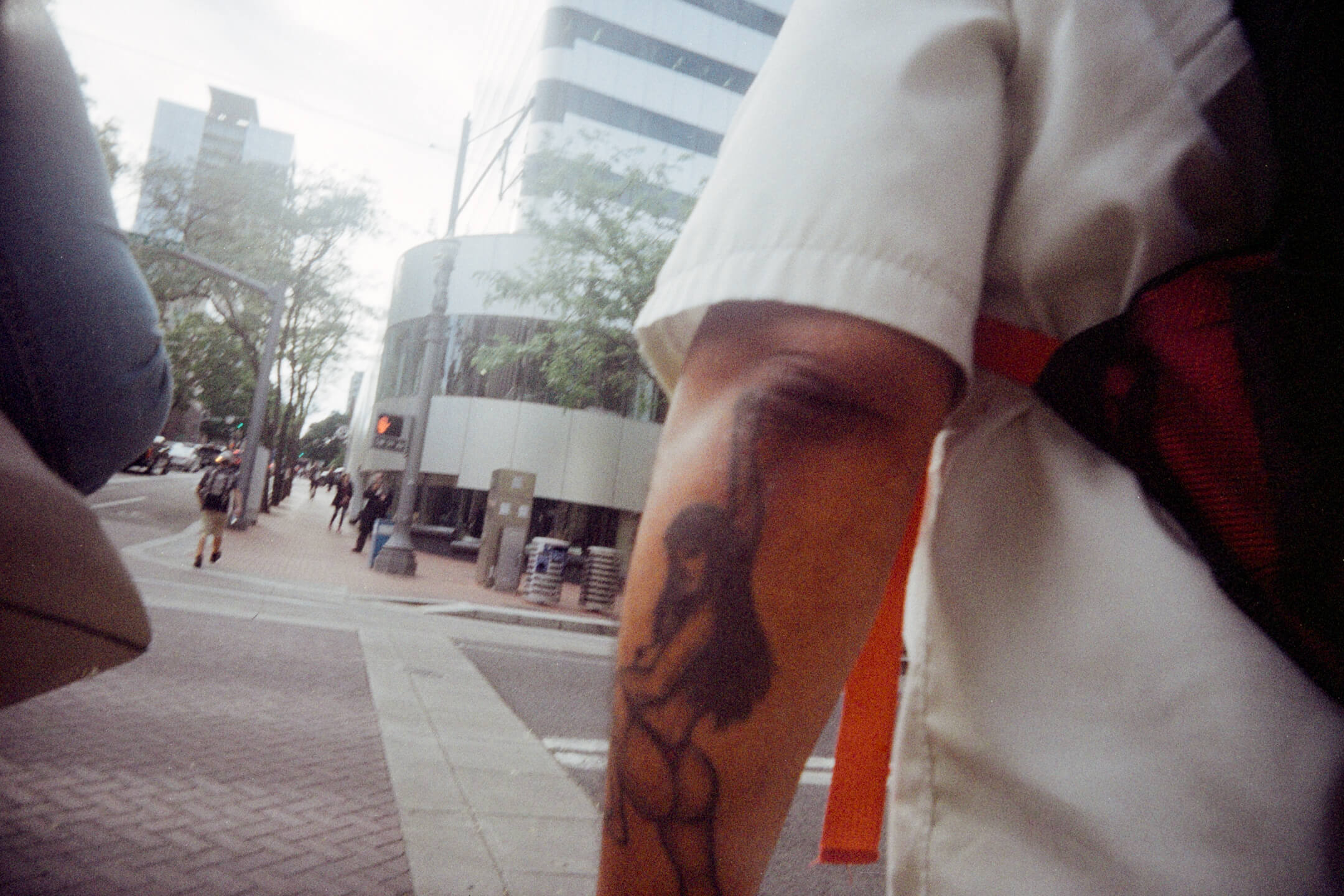
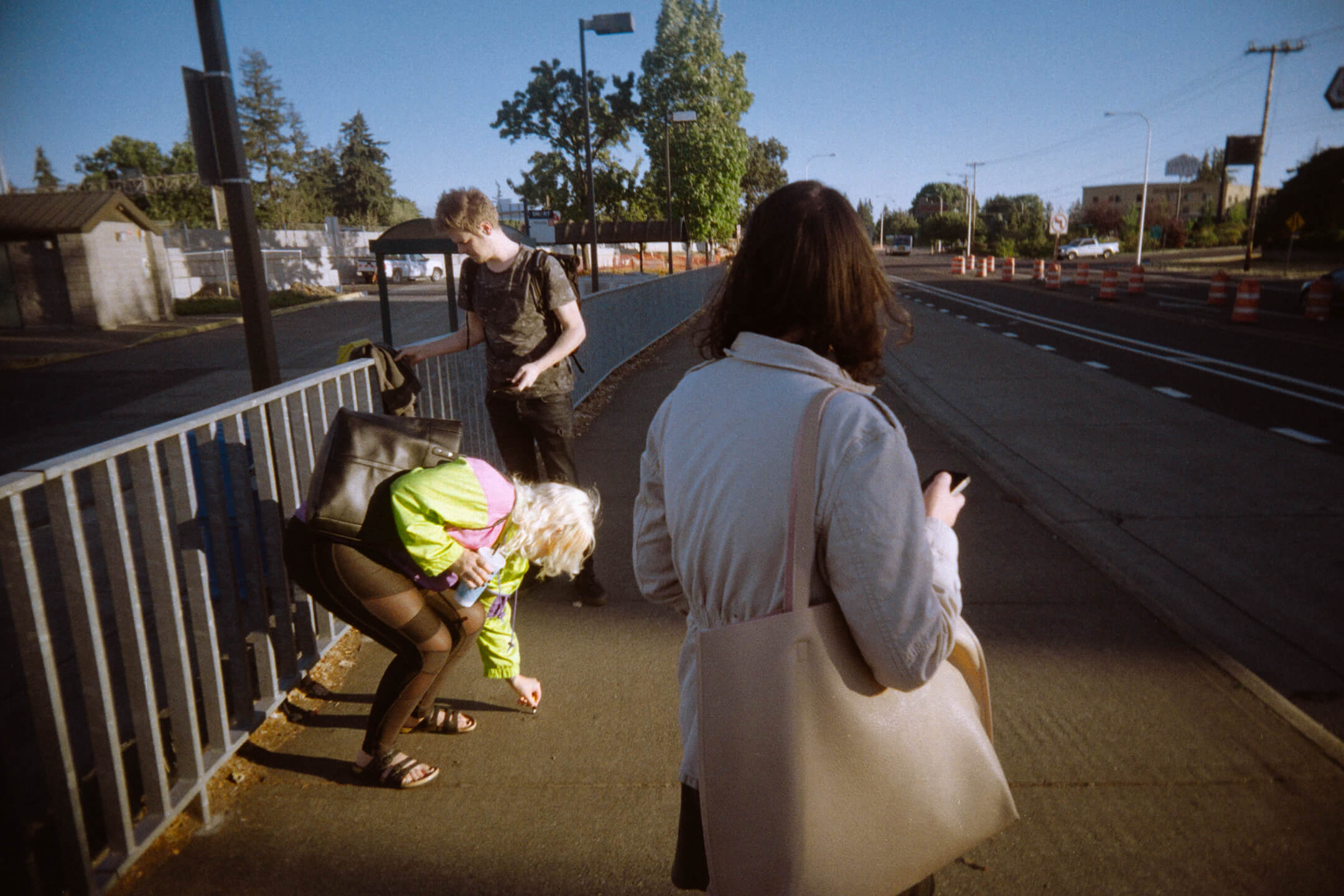
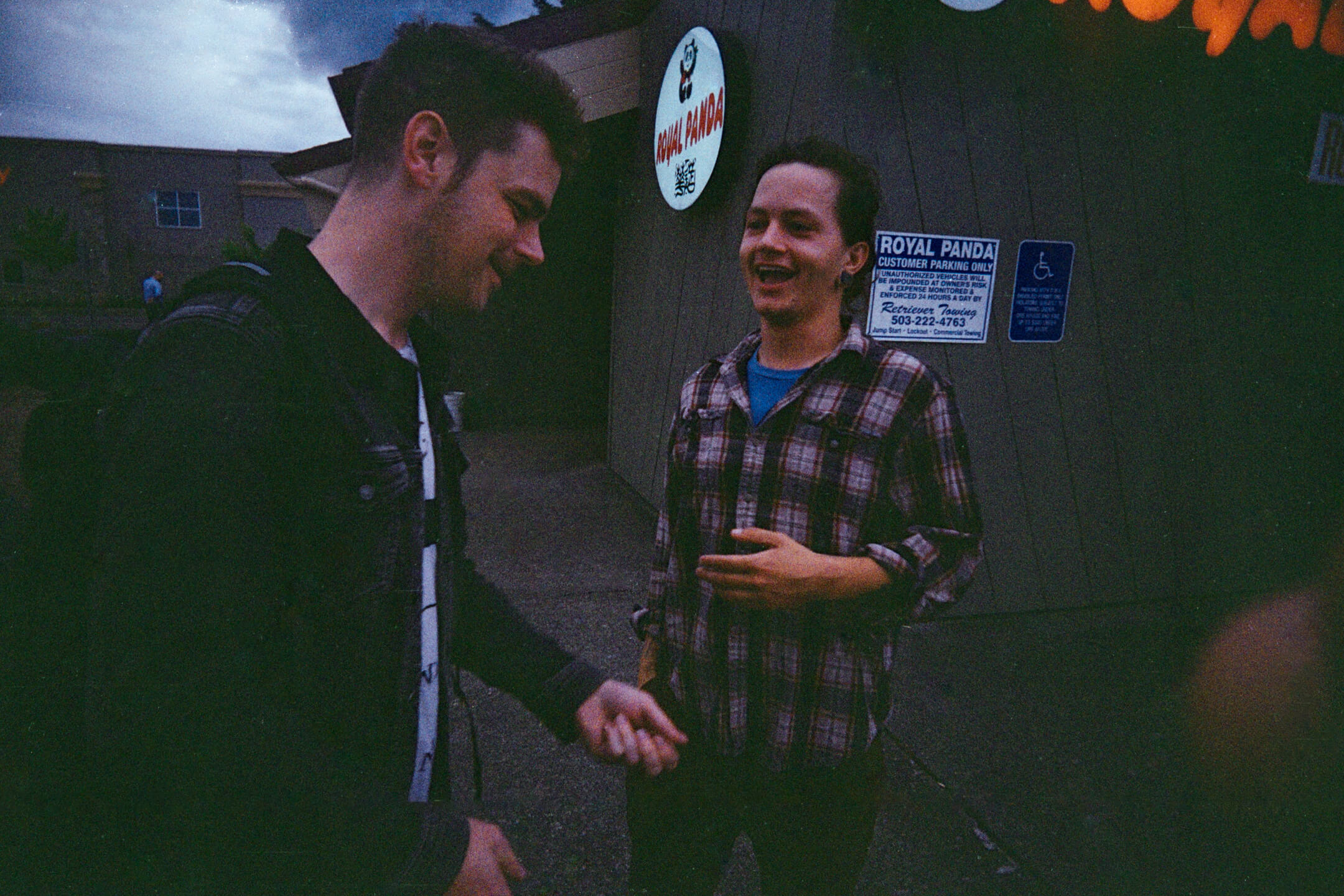
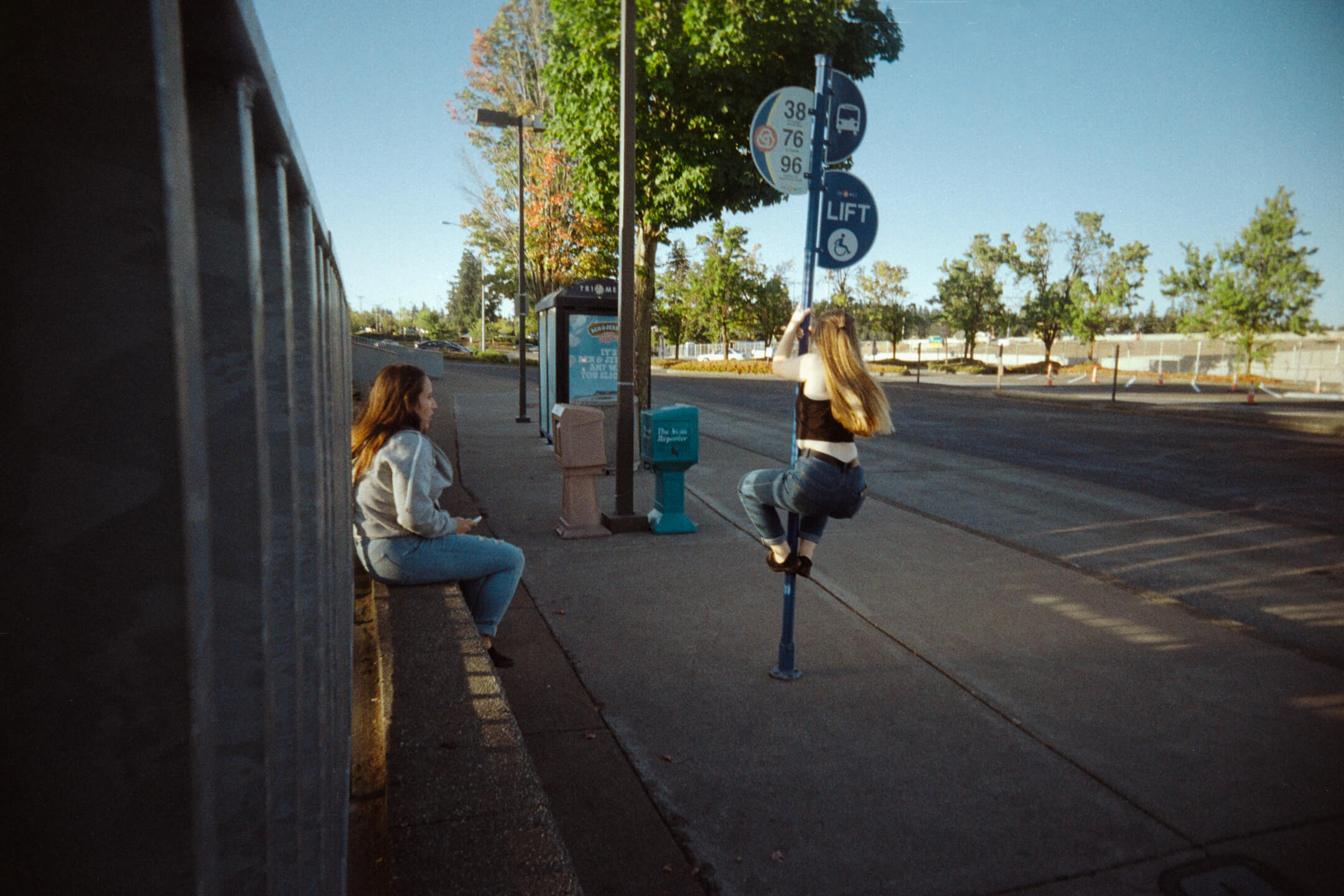
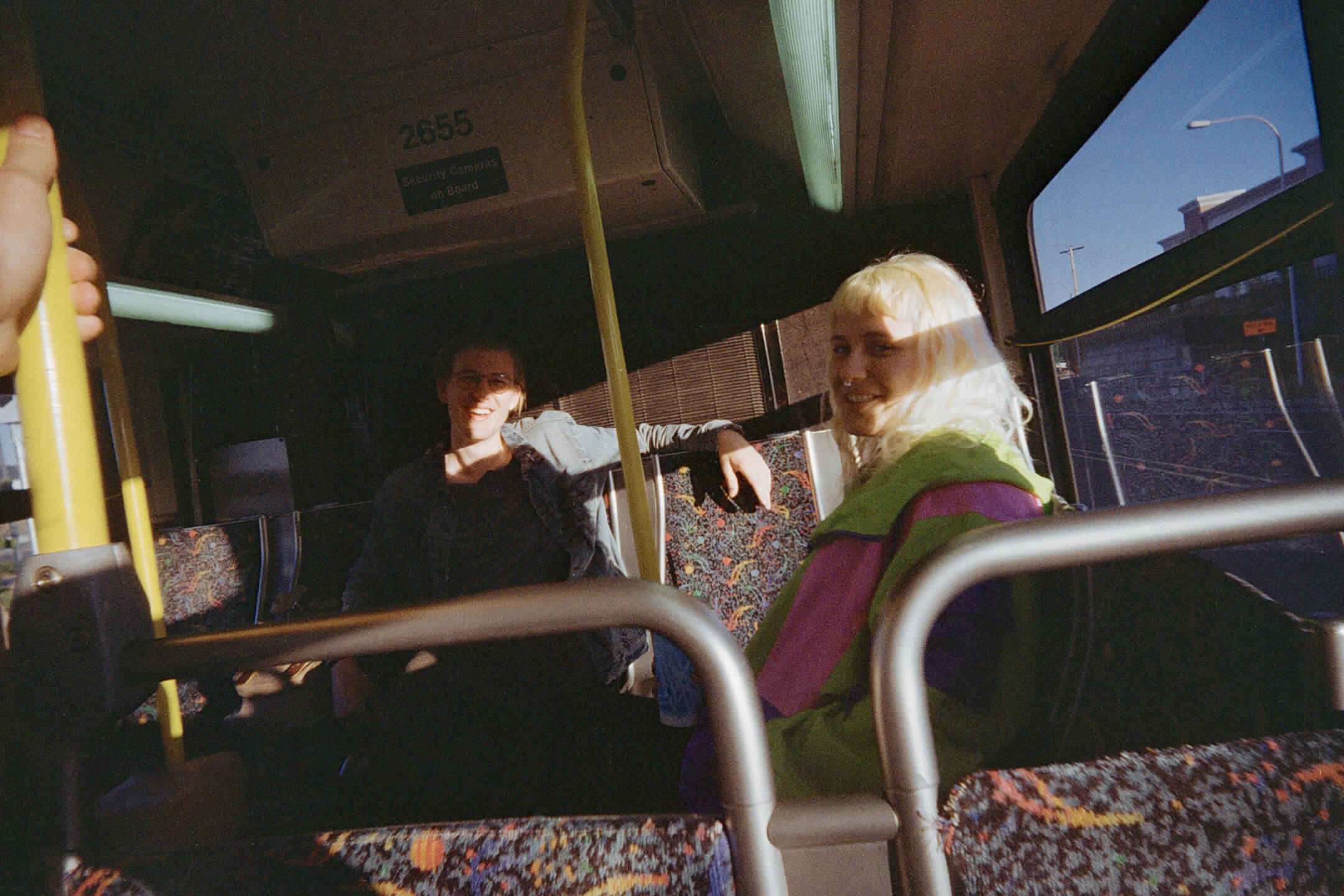
In 2018, I endured a long bus commute to a lonely office park and a tiny cubicle for an entry-level design job. The pay was embarrassing, so I got good at sneaking on the bus without a pass, telling myself I was just living in my first act. I wanted to quit after a week but stayed for exactly one year. The only perk: after-work drinks and pool at a dive bar attached to a Chinese restaurant, where the company kept an unlimited open tab.
I felt my focus drifting, so I started documenting my commute and work friends on disposable cameras. That year taught me a stubborn type of creativity—how to make with what you have, where you are, right now.